Makabayan Bloc Voices Strong Opposition to US-Backed Ammunition Factory in the Philippines
The Makabayan bloc, a coalition of progressive lawmakers in the Philippines, has issued a firm call to President Ferdinand Marcos Jr. to reject plans for establishing a US-backed ammunition factory within the country. This facility is part of the US-led Partnership for Indo-Pacific Industrial Resilience (PIPIR) program, aimed at enhancing defense industrial capacity in the region.
Security and Economic Concerns Raised by Lawmakers
In a detailed statement, the bloc argued that the factory would place the Philippines in jeopardy, potentially dragging the nation into conflicts involving the United States. Key representatives, including ACT Teachers Rep. Antonio Tinio, Gabriela Rep. Sarah Elago, and Kabataan Rep. Renee Co, emphasized that manufacturing bullets and weapons does not constitute a legitimate economic program. They warned it poses significant security risks, especially against the backdrop of soaring prices for oil, electricity, transportation, and food.
The lawmakers asserted, "We are being turned into a target and a storage depot for ammunition." They further criticized the allocation of funds for arms production as unjust, given the daily financial struggles faced by ordinary citizens. This stance highlights a broader debate over national priorities during economic hardship.

Background on the Partnership for Indo-Pacific Industrial Resilience (PIPIR)
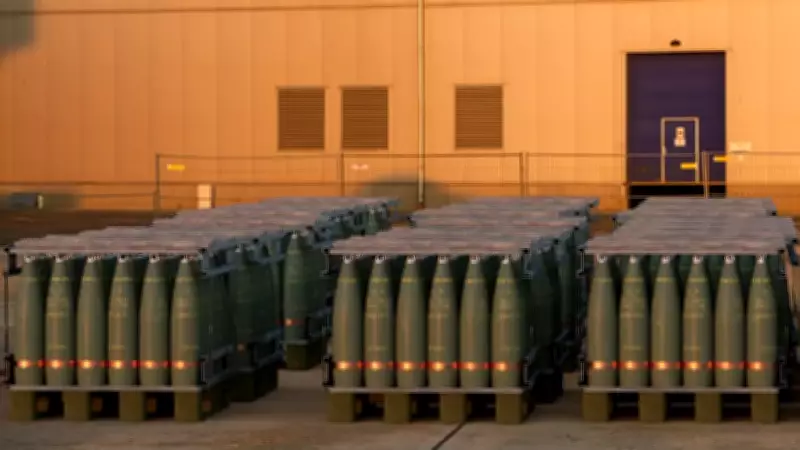
Previously, the United States and its allies agreed under the PIPIR framework to explore the construction of an ammunition manufacturing facility in the Philippines. The focus would be on producing 30-millimeter cannon rounds, which are utilized in military aircraft and ground vehicles. This initiative is designed to strengthen defense industrial capabilities across the Indo-Pacific region.
Currently, the project remains in the preliminary stages of study and planning, with no final decisions made. The Makabayan bloc's opposition adds a political dimension to these discussions, reflecting domestic concerns over foreign military involvement and resource allocation.
The controversy underscores ongoing tensions between economic development goals and national security interests, as the Philippines navigates its strategic partnerships in a volatile global landscape.