Two US Air Force Combat Jets Crash in Persian Gulf Amid Heightened Regional Tensions
In a significant military incident, two United States Air Force combat aircraft crashed in the volatile Persian Gulf region on Friday, according to reports from local media and US officials. The crashes occurred near the strategically vital Strait of Hormuz, a critical chokepoint for global oil shipments.
Details of the Dual Aircraft Incidents
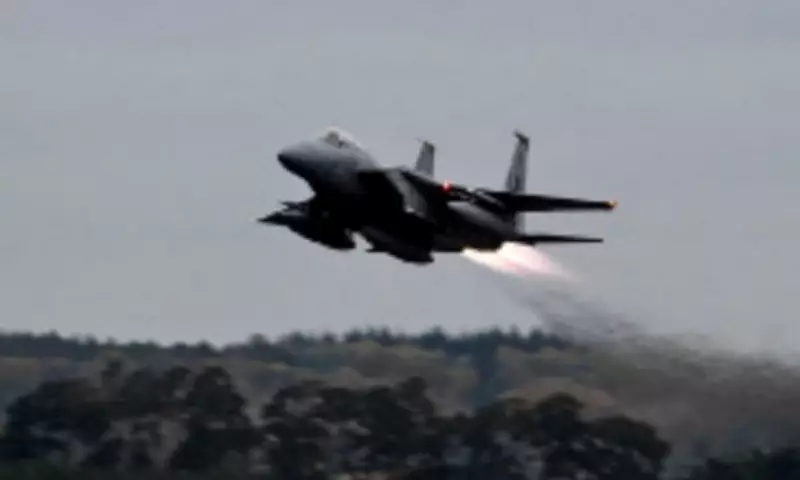
The New York Times, citing two US officials, reported that a single-seat A-10 Warthog attack plane went down in the area. Fortunately, the pilot of this aircraft was successfully rescued and is reported to be in safe condition. The A-10 crash happened approximately simultaneously with the downing of an Air Force F-15E Strike Eagle over Iranian territory.
White House spokesperson Karoline Leavitt confirmed to CNN that President Donald Trump had been briefed about the US fighter jet being shot down over Iran, which was later identified as the F-15E Strike Eagle. Media reports quoting US officials indicate that one crew member from the F-15E has been rescued and is currently receiving medical treatment. However, search and rescue operations continue for the second crew member, whose condition remains unknown at this time.

The F-15E typically operates with a two-person crew consisting of a pilot and a weapons systems officer, highlighting the potential human cost of this incident.
President Trump's Response and Diplomatic Implications
In remarks to NBC News on Friday, President Trump asserted that the downing of the US fighter jet would not affect ongoing negotiations with Iran. During a brief telephone interview, Trump declined to provide specific details about the search and rescue operation, characterizing it as a sensitive military matter that required discretion.
The president expressed visible frustration with media coverage of the situation. When questioned by NBC News correspondent Garrett Haake about whether the incident might influence diplomatic efforts with Iran, Trump dismissed the concern emphatically.
"No, not at all. No, it's war. We're in war, Garrett," Trump stated bluntly, underscoring the tense military context surrounding US-Iran relations.
In a separate interview with The Independent, Trump further clarified his position, noting that he could not comment on what actions he might take if the missing pilot were harmed in Iran. This statement reflects the delicate balance between military response and diplomatic engagement in the region.
Broader Context and Regional Significance
The simultaneous crashes of two advanced US combat aircraft in the Persian Gulf region represent a serious operational setback for American military forces in an area of ongoing geopolitical friction. The Strait of Hormuz has been a flashpoint for international tensions, particularly between the United States and Iran, making any military incident in this corridor particularly significant.
The A-10 Warthog, known for its durability and close air support capabilities, and the F-15E Strike Eagle, a versatile multirole fighter, are both critical assets in US air power projection. Their loss, even temporarily, could impact operational readiness in the region.
As search efforts continue for the missing F-15E crew member and investigations into both incidents proceed, the international community watches closely for potential escalations. The crashes come at a sensitive time in US-Iran relations, with diplomatic negotiations ongoing despite the president's characterization of the situation as wartime conditions.