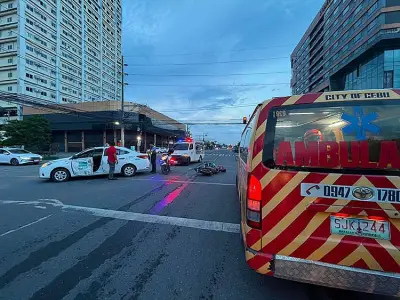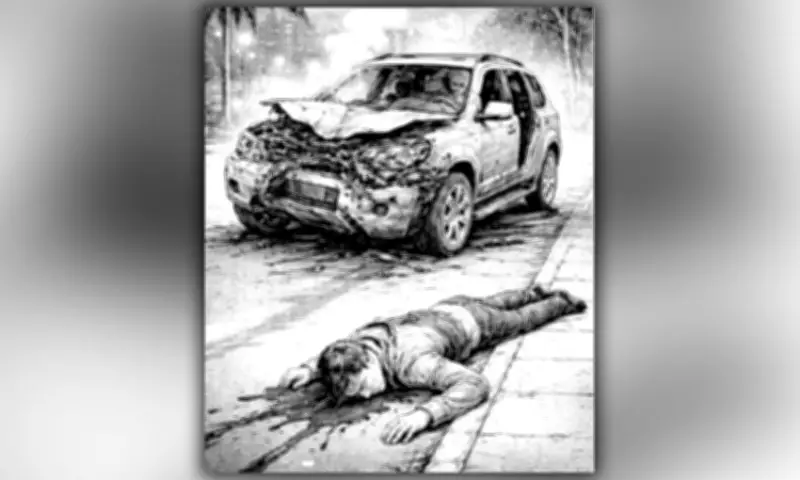
The tragic hit-and-run incident in Barangay Banilad, Cebu City on February 8, 2026, has deeply shaken the local community, culminating in the death of young entrepreneur Kingston Ralph Cheng. This event starkly reveals the weaknesses in the justice system and road law enforcement, igniting public fury and concern.
Evidence Collection Failures Undermine Case
Footage and images circulating on social media initially suggested that the SUV driver, Sean Andrew Pajarillo, 21, was clearly intoxicated at the time of the accident. However, an alcohol test administered 19 hours after the incident returned negative results, due to delays attributed to insufficient equipment for timely testing. Legal experts emphasize that immediate alcohol testing is critical to proving a driver's condition at the moment of a crash, as delays can compromise evidence integrity.
Legal Ramifications and Potential Penalties
Under the Anti-Drunk and Drugged Driving Act, convictions can lead to severe penalties, including eight to 14 years of imprisonment and fines ranging from P300,000 to P500,000. Yet, the failure to conduct prompt testing may weaken the case, potentially reducing charges to reckless imprudence resulting in homicide, which carries lighter sentences and even probation possibilities. This underscores how procedural lapses can dilute justice, rather than ensuring it is robust, swift, and fair.

Public Outcry and Calls for Reform
Cheng's death is not only a personal loss for his family but also a rallying cry for systemic reform. The public demands that laws be more than mere words on paper; they must have teeth in enforcement to safeguard public safety and achieve justice for victims. This incident highlights the urgent need for improved resources and protocols in evidence handling to prevent similar failures in the future.