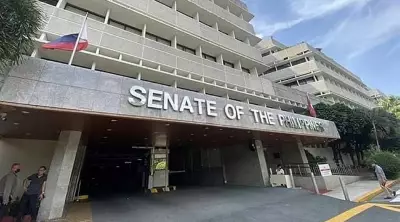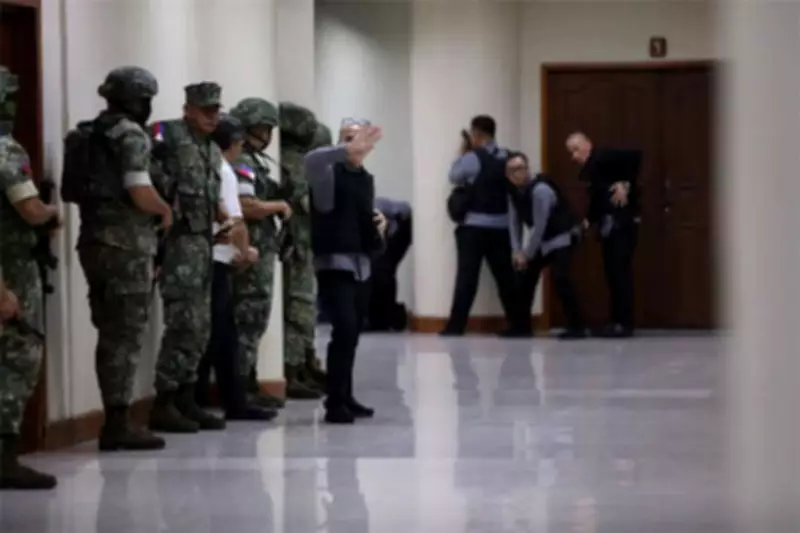
The Criminal Investigation and Detection Group (CIDG) has recommended the filing of charges against suspended Senate Office of Sergeant-at-Arms (OSAA) chief retired General Mao Aplasca in connection with the shooting incident at the Senate on the evening of May 13.
CIDG Findings
In a press conference, CIDG Director Major General Alexander Morico stated that Aplasca and two other OSAA personnel violated the Rules of Engagement and the provisions of Republic Act 11917, also known as the Private Security Services Industry Act.
Morico explained that the use of force by the OSAA is governed by the Implementing Rules and Regulations of the Private Security Services Act, which mandates six stages to be observed before employing lethal force. Warning shots are not permitted under this law, nor are they allowed in standard police operational procedures of the Philippine National Police (PNP).

The CIDG has submitted its investigation findings to the Department of Justice for further assessment and verification.
Official Confirmation
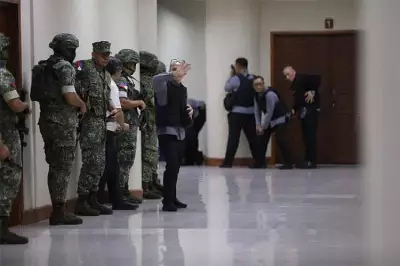
During a press conference in Malacañang on Tuesday, May 19, 2026, Interior and Local Government Secretary Jonvic Remulla and PNP Chief General Jose Melencio Nartatez Jr. confirmed that, based on the CIDG investigation, Aplasca fired the first shots unprovoked during the incident. The shooting occurred amid tensions surrounding the impending arrest of Senator Ronald “Bato” dela Rosa on May 13.
Nartatez reported that an NBI agent, who was among those deployed in the GSIS buildings at the request of agency leaders, also discharged his firearm while retreating, firing cover shots as he was being shot at by OSAA personnel.
Communication Breakdown
Morico emphasized that the incident could have been prevented if the OSAA and the GSIS had established clear communication channels.
Prior to the shooting, a drilling sound was heard from the wall separating the Senate and GSIS premises, causing panic among Senate occupants, including senators and media personnel. This prompted Aplasca to issue a “lock-and-load” order to the OSAA, Philippine Marines, and PNP personnel deployed in the Senate complex.
However, investigations revealed that earlier that day, the Senate and GSIS maintenance management had held a meeting, during which the Senate was informed about the fortification of the door connecting the two buildings for security purposes.
Morico stated, “We are investigating who fed General Aplasca the wrong information that they were going to be attacked. We are also looking into who agitated the media from the start, who was remiss in verifying with their counterpart what was actually happening on the other side of GSIS.”
Ballistic Evidence
Investigators recovered 44 fired cartridges from the scene, which ballistic examinations determined came from only four firearms. Nartatez confirmed that three of the shooters were OSAA members, including Aplasca, and one was from the NBI.
All spent shells were accounted for, with 23 of them believed to have come from Aplasca’s firearm. The other rounds were traced to the two OSAA personnel and the NBI agent.
Morico noted that the firearms of all alleged shooters have been surrendered to the CIDG for ballistic examination. However, Aplasca refused to comply with the subpoena issued by the CIDG, according to Morico.