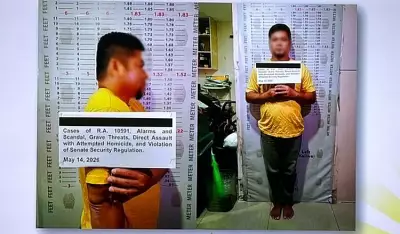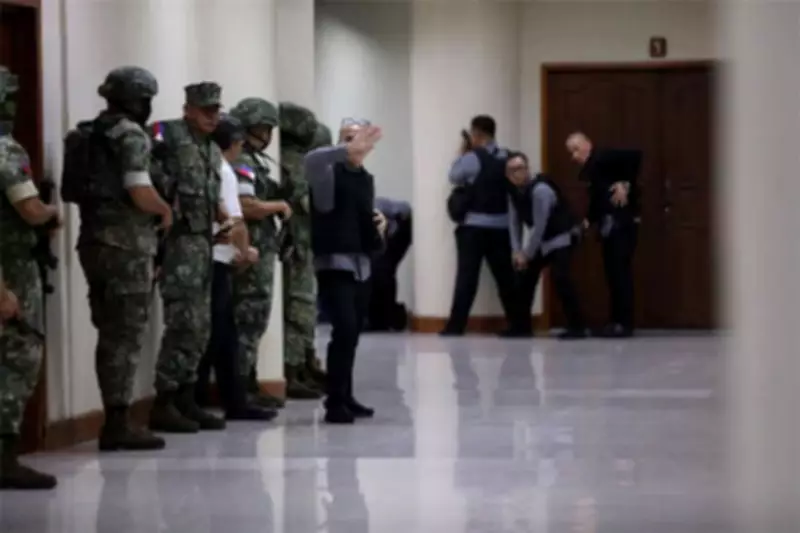
The Criminal Investigation and Detection Group (CIDG) has recommended charges against retired general Mao Aplasca, the suspended chief of the Senate Office of Sergeant-at-Arms (Osaa), for violating the rules of engagement and the law governing the private security industry during a shooting incident at the Senate building on May 13, 2026.
Charges Filed for Violation of Republic Act 11917
Maj. Gen. Alexander Morico, director of the CIDG, stated that Aplasca and two other Osaa personnel failed to follow standard procedures during the confrontation inside the Senate premises. The use of force and firearms by the Osaa is governed by the implementing rules and regulations of the Private Security Services Act, or Republic Act 11917. Under this law, security personnel must observe six distinct stages before using lethal force. Morico emphasized that warning shots are not permitted under this law or standard police operational procedures. The CIDG has submitted its findings to the Department of Justice for further assessment.
Background of the Standoff
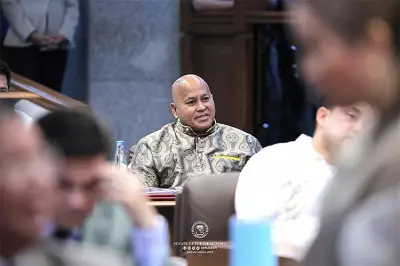
The incident stemmed from a high-profile standoff on May 13, following the return of Sen. Ronald “Bato” dela Rosa to the Senate on May 11. Dela Rosa had been in hiding for over six months due to an arrest warrant issued by the International Criminal Court (ICC) in connection with the Duterte administration’s anti-drug campaign. He returned to cast a vote that led to the removal of the sitting Senate leadership and the installation of Sen. Alan Peter Cayetano as Senate president. Dela Rosa then nominated Aplasca, his Philippine Military Academy classmate, as acting Osaa chief to oversee his custody within the Senate complex. The situation escalated on the evening of May 13 after the Supreme Court deferred immediate relief related to the ICC warrant.

Unprovoked Shots Fired
In a press conference on May 19, Interior and Local Government Sec. Jonvic Remulla and Philippine National Police (PNP) Chief Gen. Jose Melencio Nartatez Jr. confirmed that Aplasca fired the first shots during the shooting. CCTV footage verified that Aplasca discharged his firearm. Nartatez said that an NBI agent, deployed in the GSIS building, also discharged his firearm while retreating to provide cover fire after being fired upon by the Osaa. Before the shooting, a drilling sound from the wall between the Senate and GSIS premises triggered panic, prompting Aplasca to issue a “lock-and-load” order. However, earlier that day, Senate and GSIS maintenance teams had coordinated regarding door fortifications. Morico noted that investigations are ongoing to determine who provided Aplasca with incorrect information about an impending attack.
Ballistic Examination
Investigators recovered 44 spent cartridges from the scene, which ballistic examinations showed came from only four firearms: three from Osaa personnel, including Aplasca, and one from an NBI agent. All spent shells have been accounted for, except for 23 believed to be from Aplasca’s firearm. The firearms of all suspected shooters have been surrendered to the CIDG for ballistic examination. Following the lockdown, Dela Rosa left the Senate complex at around 2:30 a.m. on May 14 in a vehicle owned by Sen. Robinhood Padilla. He has not appeared in legislative sessions since. The Office of the Ombudsman placed Aplasca under a six-month preventive suspension for discharging his firearm. Aplasca maintained he believed the Senate was under attack, but Morico added that Aplasca refused to heed the CIDG’s subpoena.