DOJ Dismisses Ex-Governor Garcia's Cyberlibel Case Against Cebu Governor Baricuatro
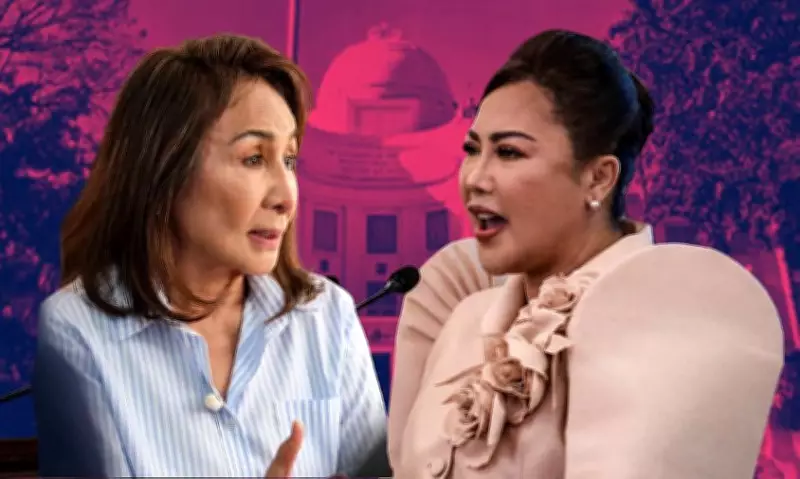
The Department of Justice (DOJ) has definitively dismissed the petition for review filed by former Cebu governor Gwendolyn Garcia, bringing a conclusive end to the cyberlibel case she initiated against the incumbent Governor, Pamela Baricuatro. This legal dispute centered on controversial social media posts made by Baricuatro in early 2025.
DOJ Resolution Upholds Prosecutors' Findings
In a resolution promulgated on March 6, 2026, the DOJ firmly upheld the earlier findings of the Cebu Provincial Prosecutor's Office, which had dismissed Garcia's complaint due to a lack of sufficient evidence. The department ruled that the case failed to meet the required legal standard of reasonable certainty of conviction, emphasizing that criminal complaints must be supported by strong and convincing proof, not merely by allegations.
The DOJ also found no grave abuse of discretion on the part of the prosecutors, affirming that their determinations regarding probable cause are generally respected by the courts unless clear arbitrariness is demonstrated. This procedural respect played a significant role in the dismissal.

Origin of the Complaint and Legal Arguments
Garcia's complaint originated from two videos posted by Governor Baricuatro on TikTok in January and February of 2025. In these videos, Baricuatro raised questions concerning alleged kickbacks within the Provincial Government and the timing of an environmental audit involving Apo Cement Corporation. Garcia contended that these statements damaged her personal reputation and dishonored her former office.
However, Baricuatro maintained that her statements were posed as questions and were made in line with her official duties as a public official addressing matters of legitimate public concern. The prosecutors initially ruled that the January 30 video could not be sufficiently established as published, while the February 9 video did not constitute libel.
Key Legal Reasoning on Malice and Public Discourse
Prosecutors noted that the statements in question were presented in an interrogatory form, used ordinary language, and critically, did not demonstrate malice—a key element required in cyberlibel cases. The DOJ agreed with this assessment, emphasizing that statements framed as questions, particularly those based on publicly known facts, do not easily meet the legal threshold for libel.
The department further elaborated that public officials are subject to criticism in relation to their official functions, and that comments on public issues, when made without an improper motive, are protected. It added that even inaccurate statements do not automatically prove malice, especially in cases involving public figures where actual malice must be clearly and convincingly established.
Procedural Lapses and Final Dismissal
Beyond the merits of the case, the DOJ also cited several procedural lapses in Garcia's petition. These included her failure to indicate when she received the earlier resolution from prosecutors, as well as missing documents and inconsistencies in her submissions. The DOJ upheld the denial of her motion for reconsideration, stating her explanations did not justify the delay in filing.
Accordingly, this Office finds no sufficient reason to overturn the assailed joint resolutions, the DOJ stated in its ruling, formally ordering the dismissal of the petition.
Reactions and Case Background
Following the decision, Governor Baricuatro welcomed the outcome, stating that justice had prevailed. This is what happens when you have done nothing wrong, justice will serve itself. That is all I can say, she remarked during a press conference.
The complaint was initially endorsed by the National Bureau of Investigation (NBI), which had recommended the filing of two counts of cyberlibel under the Cybercrime Prevention Act of 2012. However, after a comprehensive review, the DOJ, through Secretary Fredderick Vida, affirmed the dismissal, bringing this high-profile legal chapter to a final close.