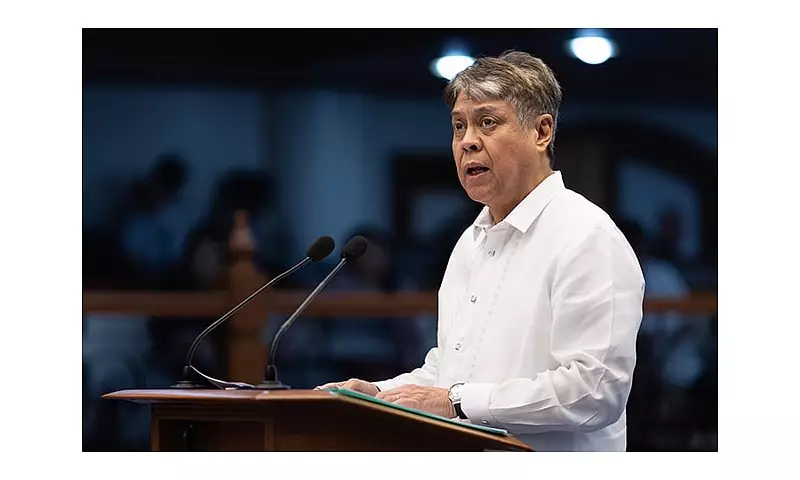
Senator Francis 'Kiko' Pangilinan has issued a stark warning, stating that systemic weaknesses and abusive practices within the Philippine justice system are enabling corrupt public officials to escape accountability. The senator made these remarks during a radio interview on Friday, January 16, 2026.
A System That Enables Impunity
Pangilinan, who chairs the Senate Committee on Justice and Human Rights, argued that the fight against corruption cannot succeed without an effective, honest, and accountable judicial framework. He emphasized that abusive conduct within the judiciary itself is a primary reason a culture of impunity persists, allowing officials to act without fear of punishment.
The senator pointed to high-profile cases, particularly those involving plunder, where officials manage to secure a dismissal or an acquittal. He stressed that these outcomes severely undermine public trust in anti-corruption efforts. "Pag pulitiko, kilalang-kilala. Pag nasa public works, kilalang-kilala. Pero 'yung mga nag-a-abswelto, hindi natin alam kung sino," Pangilinan said, highlighting the anonymity and lack of scrutiny surrounding those who make acquittal decisions.

Call for Transparency and Discipline
Pangilinan clarified that his criticism is not directed at the entire judiciary. Instead, it is a call for greater transparency and accountability among judges, especially those handling sensitive corruption cases. He believes that shining a light on judicial processes is crucial for restoring faith in the system.
Furthermore, the senator made a direct appeal to the Supreme Court. He urged the high court to take decisive disciplinary action, including dismissal from service, against any corrupt or abusive members of the judiciary. This, according to Pangilinan, is a necessary step to cleanse the institution and strengthen its role as a pillar of justice.
The Impact on Public Trust
The recurring dismissal of major corruption cases creates a dangerous perception that the system is rigged in favor of the powerful. This erosion of public trust is perhaps the most significant consequence, making citizens cynical about the government's ability to enact real change. Pangilinan's statements underscore a critical challenge: ensuring that the mechanisms designed to punish wrongdoing are themselves beyond reproach.
His advocacy points to the need for sustained judicial reform, where accountability is not just expected of public officials accused of corruption, but also of those entrusted with judging them.