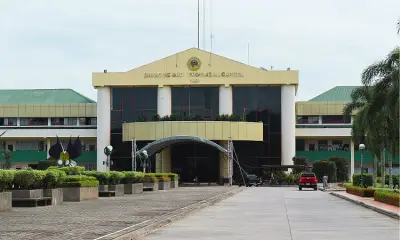
Supreme Court Dismisses Contractor's Petition in Graft Case as Moot
The Supreme Court of the Philippines has dismissed a petition filed by embattled contractor Cezarah Rowena "Sarah" Discaya, who questioned the Office of the Ombudsman's finding of probable cause against her in a graft and malversation case. The High Court ruled that the issue had become moot after charges were already filed in court, rendering Discaya's petition for certiorari unactionable.
Court's Rationale and Legal Grounds
In a press briefer, the Supreme Court emphasized that Discaya's petition could no longer be acted upon because the Ombudsman had filed the corresponding criminal information before a Regional Trial Court. This court subsequently issued a warrant for her arrest, solidifying the case's progression beyond the preliminary investigation stage. The Court stressed that none of the recognized exceptions that would allow judicial intervention were present in this instance.
Key exceptions that could have warranted intervention include the protection of constitutional rights or a lack of authority by the prosecuting body, but the Court found these did not apply here. It underscored that the determination of probable cause during preliminary investigation is the exclusive function of prosecutors, and courts generally do not interfere in such findings unless exceptional circumstances arise.

Substantial Evidence and Case Background
The Supreme Court further noted that the Ombudsman's findings were supported by substantial evidence, reinforcing the integrity of the initial investigation. The case originated from a complaint filed by the Department of Public Works and Highways against Discaya and several officials of the Davao Occidental District Engineering Office.
The allegations center on an anomalous P96.5-million concrete revetment project in Jose Abad Santos, Davao Occidental, which was awarded to Discaya's St. Timothy Construction Corporation. This project has been under scrutiny for potential graft and malversation, highlighting ongoing efforts to address corruption in public infrastructure projects.
Implications for Judicial Processes
This dismissal reinforces legal principles regarding the separation of powers between prosecutorial and judicial functions. By declining to intervene, the Supreme Court upholds the Ombudsman's authority in preliminary investigations, setting a precedent for similar cases. It also signals that once criminal charges are formally filed in court, challenges to earlier procedural steps may be deemed moot, streamlining the judicial process and focusing on the substantive trial ahead.
The ruling serves as a reminder of the rigorous standards applied in graft cases, particularly those involving substantial public funds. As the case moves forward in the Regional Trial Court, stakeholders will monitor developments closely, given the significant financial and legal stakes involved.