Two Decades in Limbo: The Human Cost of Delayed Justice in Cebu's Prisons
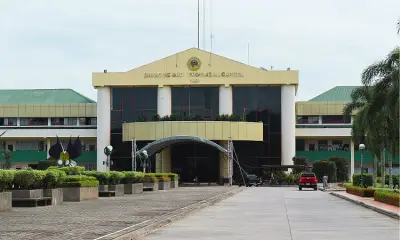
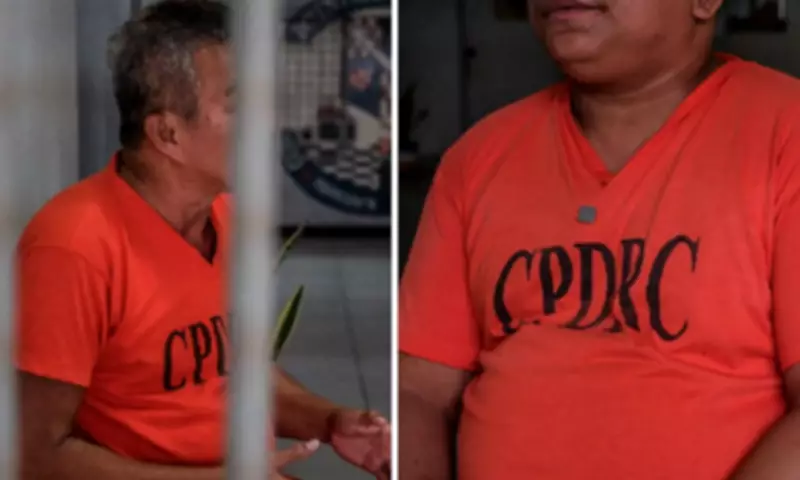
For twenty long years, Titing lived confined within the concrete walls of the Cebu Provincial Detention and Rehabilitation Center (CPDRC) in Barangay Kalunasan, Cebu City. His prolonged incarceration was not the result of a court's final judgment, but rather a consequence of repeated delays and postponements that stretched his pretrial detention across two decades.
A System of Endless Waiting
Titing entered detention at age 36, accused of murder. Now 57, he has witnessed firsthand how the justice system can stall. Over the years, courts frequently canceled or postponed hearings because prosecutors or lawyers failed to appear, or when the COVID-19 pandemic froze court proceedings entirely.
"Sometimes the hearing gets canceled. And even if it proceeds, there's no prosecutor present," Titing recounted. "The wait was seven months for one hearing."

This unbearable wait eventually pushed him toward a difficult choice that many detainees consider: pleading guilty to lesser, bailable charges just to secure a transfer or move the judicial process forward. "I really want to travel already," he said, using the jailhouse term for being sent to another facility or escaping pretrial limbo.
Not Alone in the Wait
Inside CPDRC, Titing's story is far from unique. Jail records reveal dozens of persons deprived of liberty (PDLs) who have been detained for five, ten, or even fifteen years without resolution. Some wait endlessly for their cases to move, while others, worn down by delays, accept convictions before judgment.
Data from CPDRC confirms that prolonged detention remains a harsh reality. At least 28 detainees have spent five years in detention, 20 have stayed for ten years, four for fifteen years, and Titing himself reached nineteen years. The jail's population reflects complex legal challenges, with 821 violations of the Comprehensive Dangerous Drugs Act (RA 9165), 218 violations of the Comprehensive Firearms and Ammunition Regulation Act (RA 10591), 140 murder cases, 66 rape cases, and various election-related offenses.
Overcrowding and Demographic Shifts
While most inmates fall within the working-age group, the number of older PDLs in Central Visayas has declined, with only 80 aged above 70 recorded in Bureau of Jail Management and Penology (BJMP) data. Older inmates include 1,488 aged 48 to 53; 731 aged 54 to 59; and 350 aged 60 to 69.
Despite this demographic shift, Central Visayas jails remain severely overcrowded, housing 15,859 detainees in facilities designed for just 4,578. The region's total jail population stands at 15,919, the third highest in the country after the National Capital Region and Region 4-A (Calabarzon).
Of this total, 13,479 or 85 percent are detainees awaiting trial, mirroring the national trend of prolonged pretrial detention. Nationwide, the jail population reached 115,065, with 100,476 or 87.32 percent still awaiting trial. The region ranks third nationwide in jail population and fifth in congestion severity, with facilities operating at an average congestion rate of 335 percent. The highest recorded maximum congestion rate in the region reached a staggering 1,705 percent.
The Pandemic's Paralysis
The COVID-19 pandemic exacerbated an already strained system. "Almost none really," Titing said of hearings during that time. "We're all stuck here." Restrictions prevented detainees from attending court physically, while fears of infection halted proceedings entirely, adding years to already prolonged cases.
Neil, another detainee who spent a decade inside CPDRC after his 2016 arrest for illegal drug use, described similar experiences. "There are many reasons why your hearing doesn't push through—there's no prosecutor, or no lawyer," he explained. "Time is being wasted." His case stagnated for five years during the pandemic, with hearings only resuming in 2024.

Life and Loss Behind Bars
Both men described the emotional toll of years lost to detention. "It's a waste of time when we could have been helping our family," Neil said. For Titing, the personal cost is profound: his eldest child was seven when police detained him; that child is now 33. He has yet to embrace his grandchildren, who ask, "Grandpa, when will your ship arrive?"
Faith has become a crucial source of strength for both men, helping them endure uncertainty and isolation. Titing, a pioneer member of CPDRC's dancing inmates program, described harsh conditions in earlier years when food was scarce and privileges limited. "Life before inside the jail is much harder," he recalled. While conditions have improved somewhat, with detainees now receiving meals and communication with families, emotional hardship persists.
Institutional Response and Reforms
CPDRC Jail Warden Felipe Montejo maintains that the facility does not face congestion, housing 1,057 inmates in a structure built for 1,500. "The facility is spacious," he claimed. He noted improvements in inmate welfare, including increased food allocation from ₱25 to ₱68 per day per detainee under Governor Pamela Baricuatro's administration, though he acknowledged that even ₱68 falls short of ideal meal standards.
Authorities have introduced livelihood programs such as sewing, baking, and abaca weaving to help inmates support their families. "We reform them so that when they return to the community, they are already rehabilitated," Montejo stated, challenging the notion that life ends behind bars. He emphasized that prisoners who turn to faith often experience genuine transformation.
An Uncertain Future
After twenty years, courts finally convicted Titing, sentencing him to 28 to 52 years for two counts of murder. He now waits for transfer to a national penitentiary in Leyte. "I'm just waiting for my release," he said, though his wish remains simple: to return to his family. "If given the chance, I want to be with my grandchildren."
For many inside CPDRC, the wait continues—for court decisions, for transfers, for the chance to rebuild interrupted lives. When asked to define the justice system, Titing offered a sobering assessment: "You can't guarantee justice in the courts." His two decades in limbo stand as a stark testament to the human cost when judicial delays become a form of punishment themselves.