Bacolod City Council Advances Field Evacuation Center Ordinance to Strengthen Disaster Response
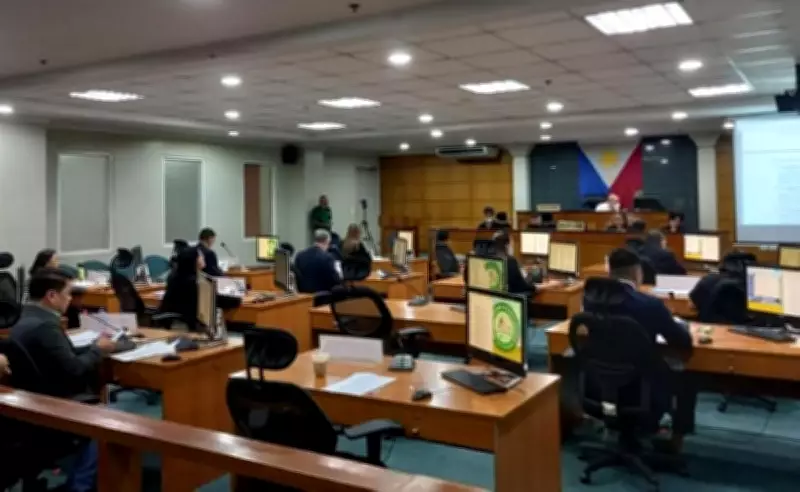
The Bacolod City Council has taken a significant step toward bolstering local disaster resilience by approving on second reading a proposed ordinance for the establishment and management of field evacuation centers across the city. This legislative measure, authored by Councilor Caesar Distrito, aims to institutionalize safe, accessible, and well-managed evacuation facilities in every barangay or clustered barangays, moving away from improvised emergency responses.
Institutionalizing Dignified Evacuation Operations
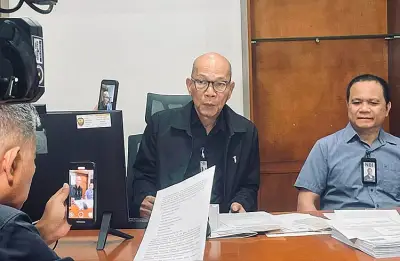
Councilor Caesar Distrito, who chairs the City Council committee on human resource and development, emphasized that the ordinance is designed to strengthen disaster preparedness and emergency response capabilities. The goal is to ensure that evacuation operations are organized, dignified, and responsive to the needs of all residents, with a special focus on vulnerable sectors such as children, senior citizens, pregnant women, and persons with disabilities.
"This ordinance ensures that evacuation is no longer improvised or reactive. By institutionalizing properly managed field evacuation centers in our barangays, we are creating a system that guarantees safety, dignity, and timely assistance during times of crisis," Distrito stated. He highlighted that this proactive approach will help avoid confusion and delays in emergency situations, providing a structured framework for community support.

Management Structure for Orderly Coordination
Under the proposed ordinance, each evacuation center will be overseen by a Field Evacuation Center Management Committee (FECMC) to ensure orderly operations and effective inter-agency coordination. The committee structure varies based on the scope of the evacuation center:
- For single-barangay evacuation centers, the FECMC will be chaired by the punong barangay, with the vice chairperson being a representative from the Department of Social Services and Development (DSSD).
- For clustered evacuation centers serving two or more barangays, the chairperson will be the DSSD representative, and all punong barangays will serve as co-vice chairpersons.
Committee members will include representatives from key agencies and groups, such as the Barangay Disaster Risk Reduction and Management (DRRM) officer, Bacolod City Disaster Risk Reduction and Management Department (BCDRRMD), City Health Office, Barangay Health Workers, barangay tanod executive officers, Barangay Nutrition Scholars (BNS), and representatives from schools and faith-based organizations. This comprehensive membership aims to foster unity of command and prevent operational overlaps, particularly in complex scenarios involving multiple barangays.
Clear Responsibilities and Funding Allocation
The ordinance also clearly delineates responsibilities for meal provision to evacuees. The DSSD will take primary responsibility for the preparation, management, and distribution of meals in evacuation centers, while the DRRMO will provide logistical, operational, and emergency support to ensure uninterrupted food services during disasters.
"This is about coordination, not overlap. DSSD leads in welfare and food services, while DRRMO provides the necessary support so that assistance reaches evacuees quickly and efficiently," Distrito explained. To support the implementation of these measures, the ordinance allocates substantial funding:
- P30 million for food supplies and meals for evacuees and returning families.
- An additional P20 million from the City Disaster Risk Reduction and Management Fund for hygiene kits and logistical requirements.
This total allocation of P50 million underscores the city's commitment to enhancing its disaster response infrastructure and ensuring that resources are readily available in times of need. The ordinance now moves forward for further legislative review, with the potential to significantly improve Bacolod's resilience against natural disasters and emergencies.