The Traffic Management Coordination Board (TMC) of Cebu City was forced to convene an urgent online meeting this week. This emergency session was a direct response to a flood of complaints from frustrated motorists caught in severe traffic jams.
Unauthorized Closure Causes Gridlock
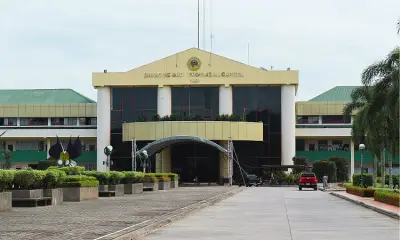
The chaos stemmed from the repeated closure of a segment of M.J. Cuenco Avenue, a national road. According to a report from the Cebu City Traffic Office (CCTO), Mabolo Barangay Captain Danny Arguedo ordered the blocking of the road fronting the Barangay Hall. The purpose was to provide a practice ground for a dance group preparing for the 2026 Sinulog Grand Parade.
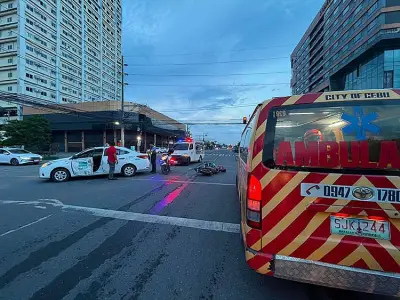
The closures occurred on multiple nights, disrupting traffic during both late-night and evening hours. Specifically, the road was shut from December 20 at 12:55 a.m. to 2:21 a.m., and again from 7:21 p.m. until 2:02 a.m. the next day. Further closures happened on December 26 from 8 p.m. to 2 a.m., and repeatedly on December 27 and 28. Notably, barangay vehicles, including a firetruck and ambulance, were used to block the thoroughfare.

Public Outcry and Official Response
Motorists were taken by surprise, leading to horrific gridlock around the intersection of Pope John Paul II Avenue and M.J. Cuenco Avenue. TMC Board chairman Koko Holganza received numerous calls from the public, prompting the emergency board meeting on Monday, December 29, 2025.
Since the closure was executed without any permit from Cebu City Hall, personnel from the CCTO and the Philippine National Police Traffic group visited Barangay Captain Arguedo. The barangay captain, who is a lawyer, reportedly challenged the officials, stating he was willing to "face them anywhere" and dared them to file charges.
Legal Repercussions and Governance Questions
The central issue now is potential liability. Cebu City Ordinance 2131 and the Local Government Code explicitly prohibit the closure of thoroughfares without a city permit. The law requires that any closure purpose must meet strict legal requirements.
While supporting a Sinulog contingent is a culturally significant intention, it does not override legal procedures. The closure was carried out without regard for public safety and convenience, bypassing the city's authority to regulate traffic. This action raises serious questions about the abuse of authority and the precedent it sets for other barangay officials.
Administratively, the act could constitute misconduct. Criminal liability may also be explored if it is shown the official knowingly disregarded ordinances. The incident underscores a fundamental principle: public roads are for everyone, and no official, regardless of motive, can unilaterally suspend the law. The celebration of Sinulog, a cherished festival of faith and culture, must coexist with disciplined governance and respect for due process.