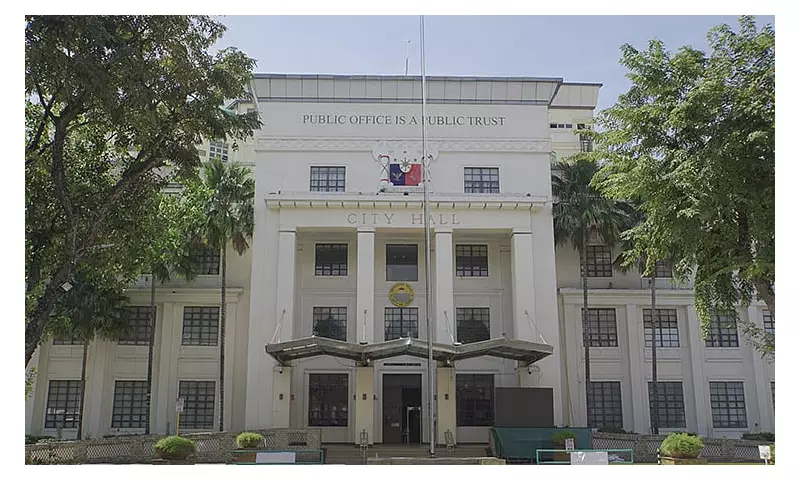
The Cebu City Council has taken a decisive step to make free comprehensive health and mental wellness services a permanent right for thousands of its most vulnerable residents. This move institutionalizes annual check-ups and establishes a citywide mental health support network.
A Lifeline for Vulnerable Sectors
Under the newly passed ordinance, the city government is mandated to provide an annual health assessment for priority groups. These include senior citizens, women, children, persons with disabilities (PWDs), members of the LGBTQIA+ community, and low-income residents. The program is designed to be inclusive, with specific mental health initiatives tailored for survivors of domestic abuse and other priority sectors.
The comprehensive check-up package covers general physical examinations, basic laboratory tests such as blood sugar and cholesterol screenings, select cancer screenings, mental health evaluations, and reproductive health consultations. The ordinance aligns with the national Mental Health Act (Republic Act No. 11036), which recognizes mental well-being as a fundamental human right.

Addressing a Growing Crisis
Councilor Mitchelle Abella-Cellona, the measure's proponent, cited alarming local data as a key driver for the ordinance. The data shows a rising trend in cases of anxiety, depression, bullying, and suicidal ideation among the youth. Furthermore, the response at the barangay level has been hampered by limited training for frontline workers, creating a significant gap in care.
During council discussions, officials highlighted a critical challenge: many illnesses among impoverished residents are only discovered at a severe stage due to financial constraints and difficulty accessing services. The institutionalized prevention program aims to shift the city's approach from treatment to proactive healthcare, ultimately reducing hospitalizations and long-term public health costs.
Legal Mandates and Enforcement
The ordinance is firmly grounded in the government's constitutional duty. Cellona emphasized the State's obligation under Article II, Section 15 of the 1987 Constitution to protect and promote the right to health, as well as the Universal Health Care Act (Republic Act No. 11223).
To ensure compliance, the measure carries teeth. Any official, school administrator, or authority who obstructs the implementation of the ordinance or discriminates against individuals seeking mental health services will face administrative and disciplinary sanctions. The city is also establishing a 24/7 crisis response mechanism as part of the new citywide mental health system.
While acknowledging the program's funding needs, proponents argue that investing in prevention is ultimately "cheaper" for the city than treating advanced diseases through existing aid programs. This landmark policy marks a significant shift towards guaranteeing accessible, fundamental health services for all Cebuanos.