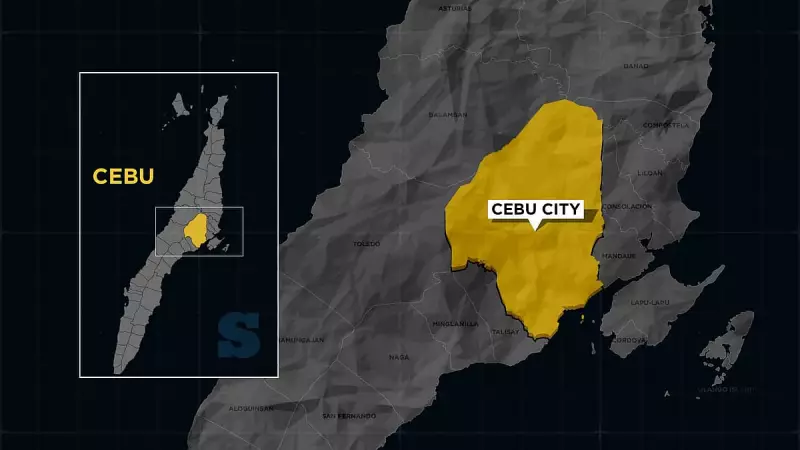
The Cebu City Government is launching a major crackdown on unsegregated waste, with its public schools serving as the frontline for a new environmental campaign. Starting in February 2026, the city will strictly implement a "no segregation, no collection" policy across all barangays, aiming to drastically cut the volume of garbage sent to its overwhelmed landfill.
Landfill Crisis Spurs Strict Enforcement
The urgent push for compliance stems from a critical logistical breakdown in the city's waste disposal system. Mayor Nestor Archival reported severe congestion at the Binaliw landfill. The situation reached a tipping point after Typhoon Tino (Kalmaegi) struck on November 4, damaging a bridge in Barangay Bacayan.
This damage forced garbage trucks to use a narrower, muddy alternate route through Barangay San Jose. The detour slashed the number of daily trips each truck could make from two to just one, causing refuse to accumulate across the city. The new policy is a direct response, designed to ensure only residual, non-recyclable waste ends up at the strained landfill site.

Schools as Catalysts for Change
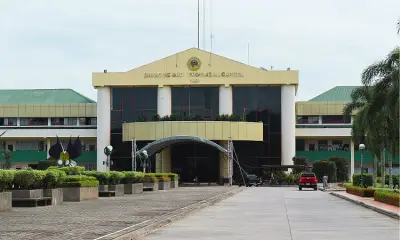
City officials have identified the education sector as a pivotal partner. With more than 120,000 students generating an estimated 60 tons of garbage daily, schools are a major source of waste. The strategy hinges on turning these students into agents of change.
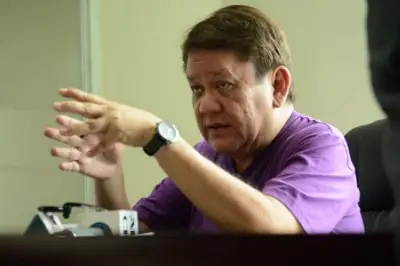
"Schools are critical partners in this effort," Mayor Archival emphasized. The Local School Board and supervisors have been directed to teach students how to separate biodegradable from residual waste at the source. The goal is for students to not only adopt the practice but also champion it within their families, creating a sustainable culture of waste management that starts at home.
Phased Implementation and Collection Mechanics
The city has outlined a gradual rollout to allow residents and institutions to adjust:
- January 1 to 15, 2026: Information drive and issuance of warnings.
- January 16 to 30: Initial implementation and trial period.
- February 1: Full enforcement begins; unsegregated waste will be left uncollected.
The Department of Public Services (DPS) will manage collections based on type. A tentative schedule allocates Mondays, Wednesdays, and Fridays for biodegradable waste, which will be collected by green trucks. Organic waste from mountain barangays will go to compost pits. Recyclables like plastic bottles will be repurposed, leaving only true residual waste for the Binaliw landfill.
Legal Backing and Community Impact
While the enforcement is a reaction to a current crisis, the mandate is not new. The policy is grounded in City Ordinance 2031 (2004) and the national Ecological Solid Waste Management Act (Republic Act 9003). Past administrations struggled with consistent enforcement, often reverting to mixed collection for convenience.
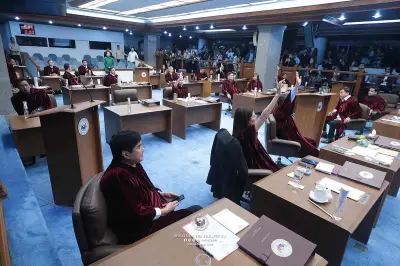
To strengthen compliance, the City Council is proposing amendments to the ordinance, which could include stepped fines and even jail time for repeat violators. Barangay environmental officers will eventually be tasked with apprehension.
If successful, the initiative will lower the city's hauling costs and significantly extend the lifespan of the Binaliw landfill. Mayor Archival acknowledged the challenge, stating, "This will be difficult but we will push for it." The policy now places the responsibility for sustainable waste management squarely on every resident, business, and student in Cebu City.