Cebu Governor Implements Three-Month Terminal Fee Reduction to Alleviate Transport Sector Burden
In a decisive move to mitigate the impact of escalating fuel prices, Cebu Governor Pamela Baricuatro has announced a temporary reduction in terminal fees for public utility vehicles (PUVs) using Capitol-operated bus terminals in Cebu City. The initiative, which commenced on Wednesday, March 25, 2026, will remain in effect until June 24, 2026, providing immediate financial relief to drivers and operators while safeguarding commuters from potential fare increases.
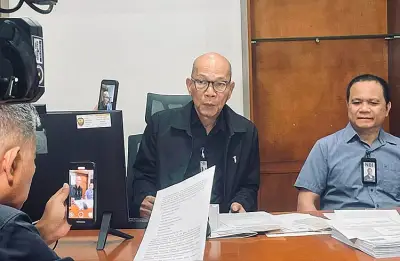
Governor Baricuatro Announces Fee Adjustments During Press Conference
During a press conference held on Wednesday, Governor Baricuatro emphasized the critical nature of this intervention. "It's going to be a big help for them (drivers and operators). With the rising price of fuel, makatabang ni sa ila. We are doing what we can to help them also," she stated. The governor highlighted that this measure is part of broader efforts to ease the financial strain on the transport sector, which has been grappling with volatile fuel costs.
Under the newly implemented rates, terminal fees for buses and minibuses have been lowered from P250 to P200 per entry. Similarly, V-hire units will now pay P150, down from P200, while taxi terminal fees have been halved from P20 to P10 per entry. These adjustments are designed to offer tangible support to those most affected by the economic pressures.

Legal Constraints and Future Review of Terminal Fee Policies
Governor Baricuatro revealed that while she has long advocated for the complete removal of terminal fees for taxis, legal barriers prevent such action. "For the longest time, I have wanted to remove the P20 fees for taxis, but this is an ordinance; that is why we cannot touch it," she explained. The fees are mandated under the Cebu Provincial Revenue Code, which outlines specific regulations for terminal operations.
However, Assistant Provincial Administrator Aldwin Empaces clarified that the Economic Enterprise Council (ECC) holds the authority to adjust prices within reasonable bounds, as stipulated by the Revenue Code ordinance. "Based on the Revenue Code ordinance, ang gi-authorize ang ECC, the Economic Enterprise Council, for the adjustment of prices, and it is reasonable by the order of the governor kay everyone is experiencing crisis," he noted. The three-month implementation period will be subject to a thorough review, with the possibility of extending the reduced rates based on their effectiveness and ongoing economic conditions.
Financial Implications and Service-Oriented Terminal Operations
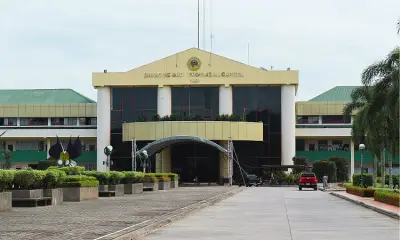
Ahmed Cuizon, terminal administrator for both the Cebu South Bus Terminal and Cebu North Bus Terminal, provided insights into the operational and financial aspects of the fee reduction. The terminals manage an average of 550 bus trips, 61.09 V-hire trips, and approximately 1,400 taxi trips daily. Cuizon acknowledged that the reduced fees are likely to result in lower collections for the Provincial Government but underscored that the primary purpose of the terminals is service delivery, not profit generation.
According to a SunStar Cebu report from February 27, the two provincial bus terminals generated P103.40 million in revenue collection for 2025. Monthly income from terminal fees for buses, V-hires, and taxis averaged around P4.5 million. With the current reduction, the projected monthly shortfall over the next three months is estimated to be between P1.4 million and P1.5 million.
Cuizon elaborated on the philosophy behind the terminal operations, stating, "We do not, of course, consider the loss kay di maan siya alkansi, minus ra atong collection, but then again, as Guv Pam said, ang atong terminal is primarily to services; it is not for profit." He further explained, "The terminal fees are just incidental because we have to pay the salaries of employees and buy equipment. But otherwise, dili gyud na para ginansya ang terminal, para gyud na sa serbisyo (The terminal fees are only incidental because we need to pay employees' salaries and purchase equipment). Otherwise, the terminal is not meant to generate income—it is really for public service."

This temporary fee reduction reflects the provincial government's commitment to supporting the transport sector during challenging economic times, prioritizing public welfare over revenue generation.