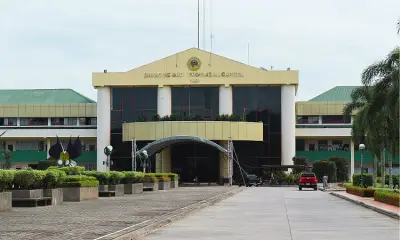
Davao Police Ramp Up Monitoring and Enforcement Against Prevalent Theft Incidents
The Davao City Police Office (DCPO) has announced a significant escalation in its monitoring and enforcement activities targeting theft, which has emerged as the most frequently recorded crime in the city for January 2026. This proactive stance comes as authorities seek to address a persistent issue that continues to challenge law enforcement efforts in urban commercial areas.
Stricter Prosecution and Collaborative Measures
During a recent meeting with the Davao Peace and Security Press Corps on February 4, DCPO spokesperson Captain Hazel Caballero Tuazon revealed that intensified coordination with mall managers and security personnel has led to a stronger push for prosecuting thieves and shoplifters. "File-an jud og kaso ang mga tao nga involve sa shoplifting," Tuazon emphasized, underscoring the commitment to legal accountability.
Following directives from the city police director to adopt a stricter approach in filing cases—applying to both first-time offenders and repeat suspects who have posted bail—the number of recorded theft cases in January showed a notable increase compared to other crime-related records. While this rise might initially suggest a spike in criminal activity, authorities clarify that it primarily reflects enhanced enforcement and accountability measures rather than an actual surge in theft incidents.

Challenges in Mall Security and Offender Profiling
Despite regular patrols across Davao City, shoplifting remains a stubborn problem in malls, where vast spaces complicate comprehensive monitoring by police officers. In response, security guards are now being urged to heighten their vigilance, identify repeat offenders, and ensure that even minor thefts are reported and prosecuted to deter future incidents.
Tuazon highlighted a key challenge: theft cases are bailable, which allows offenders to secure temporary freedom after charges are filed, often leading to repeat offenses. This legal aspect contributes to the increasing crime statistics, as individuals may reoffend while awaiting trial.
Profiling efforts have revealed that shoplifters include both residents of Davao City and individuals from outside the city, with some repeat offenders already identified through collected photographs and records. "Naay taga- Davao City, naa puy outside Davao City. Pa balik-balik na," Tuazon stated, referring to the residency patterns of suspects involved in theft-related crimes.
Expanding Focus to Snatching Incidents and Reporting Gaps
While shoplifting remains the most monitored crime in Davao City, authorities have also noted recent incidents of snatching. The DCPO confirmed that one suspect apprehended in a recent snatching case was not from Davao City, indicating a broader geographical scope of criminal activity.
Tuazon explained that although some stolen items have been recovered during incidents, the absence of formal blotter entries prevents police from prioritizing patrols or investigations effectively. She urged victims to immediately report incidents to the nearest police station to facilitate proper investigation and adjustments in patrol strategies.
The challenge lies in ensuring that incidents are properly documented, as many cases circulate as word-of-mouth reports without formal recording. While police visibility has been recalibrated in areas prone to theft and snatching, accurate records remain essential for targeted law enforcement efforts.
Community Cooperation as a Vital Component
The DCPO reiterated that community cooperation is vital in combating theft and related crimes. By filing reports, residents help police identify crime hotspots and adjust patrol schedules, particularly during nighttime hours, to prevent theft and repeat offenses. This collaborative approach aims to enhance public safety and reduce the incidence of property crimes across Davao City.