Government Distributes Aid to Tricycle Drivers Amid Oil Crisis, Senator Pushes for PHP52.8B Budget
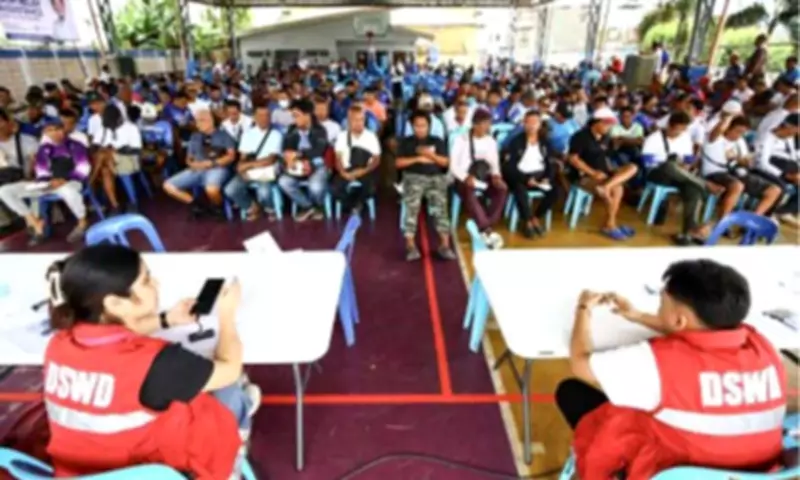
In response to rising oil prices fueled by the Middle East crisis, the government has initiated a financial assistance program for public utility vehicle drivers. On Tuesday, March 17, 2026, a total of 759 tricycle drivers in Malabon City received PHP5,000 each under the Department of Social Welfare and Development's Assistance to Individuals in Crisis Situation. This marks the beginning of aid distribution to the transport sector, as escalating fuel costs threaten livelihoods across the Philippines.
Senator Hontiveros Advocates for Comprehensive Fiscal Support
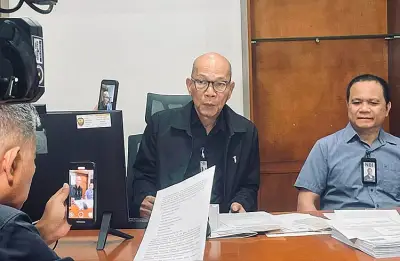
On Wednesday, March 18, Senator Risa Hontiveros urged both houses of Congress to pass a proposed PHP52.8-billion supplemental budget. She emphasized the urgency of the situation, stating that the conflict in the Middle East and the resulting oil crisis are not short-term issues. "We must be prepared no matter how long this lasts," Hontiveros said, highlighting the need for funds to support citizens during challenging times ahead.
Hontiveros filed Senate Bill No. 1986, which aims to appropriate PHP52.8 billion to expand subsidies for drivers, farmers, fisherfolk, and overseas Filipino workers (OFWs) impacted by increasing fuel prices. A counterpart measure has been introduced in the House of Representatives by Akbayan Representatives Chel Diokno, Percy Cendaña, and Dadah Ismula, along with Dinagat Islands Representative Kaka Bag-ao.

Details of the Proposed Supplemental Budget
The proposed budget allocates funds to three key sectors:
- Transport Subsidies: PHP12 billion is designated for public utility drivers, delivery riders, and transport network vehicle service (TNVS) operators, including support for the Department of Transportation's service contracting program.
- Agricultural Subsidies: PHP2.8 billion is earmarked to assist farmers and fisherfolk facing rising costs of fuel and fertilizers, aiming to prevent supply shortages.
- OFW Support: PHP38 billion is set aside for OFWs, with PHP18 billion for repatriation expenses and PHP20 billion for reintegration and livelihood programs, anticipating a potential surge in returning workers if Middle East tensions escalate.
Hontiveros criticized current funding levels as insufficient, noting that only PHP2.5 billion is available for transport subsidies from the 2025 budget, agricultural subsidy stands at PHP150 million, and the Department of Migrant Workers has a mere PHP1.76 billion emergency fund. "This will not be enough if thousands of OFWs are forced to return home," she warned.
Broader Economic Implications
The senator argued that while the suspension of excise taxes is a positive step, it cannot be the government's sole response to the complex and prolonged oil crisis. "We need a supplemental budget for effective and comprehensive subsidy programs to ensure drivers and riders can operate, farmers and fisherfolk can work, and the economy does not stall," she added. The measure seeks to provide fiscal protections for vulnerable sectors and prevent long-term economic contraction amid the ongoing crisis.
As oil prices continue to climb due to geopolitical tensions, the government's actions and legislative proposals aim to mitigate the impact on everyday Filipinos, ensuring stability and support during uncertain times.