Bacolod City Government Reaffirms Commitment to DILG Anti-Epal Policy
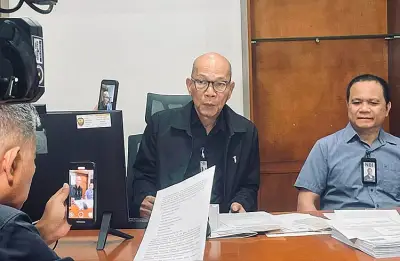
In a significant move to uphold transparency and accountability, the Bacolod City Government has reaffirmed its steadfast commitment to the Department of the Interior and Local Government’s (DILG) initiatives and policies, with a particular focus on the Anti-Epal policy. This commitment was solidified during a high-level meeting held on February 4, 2026, involving key city officials and DILG representatives.
Key Meeting and Participants
The meeting was attended by Bacolod City Mayor Greg Gasataya, along with City Administrator Mark Mayo, Executive Assistant IV Jovelyn Canoy, and City Legal Officer Karol Joseph Chiu. They convened with DILG–Bacolod director Christian Nagaynay to discuss and align on key programs and initiatives. This gathering underscored the city’s proactive approach in supporting national directives aimed at enhancing governance standards.
Understanding the Anti-Epal Policy
The Anti-Epal policy, as mandated by DILG Memorandum Circular 2026-006, requires strict nationwide enforcement. It directs all local government units and DILG offices to immediately remove the names, images, and likenesses of public officials from all government-funded projects, programs, activities, and properties. This policy is designed to prevent self-promotion and ensure that public funds are used solely for community benefit, without political grandstanding.

City Administrator Mark Steven Mayo emphasized that the local government is diligently implementing this policy. He stated, "We are observing the anti-epal stance by avoiding the promotion of personal political images on government projects, especially those financed by public funds." Mayo added that their primary goal is to focus on governance and service delivery, rather than self-promotion, thereby fostering a culture of integrity within the city administration.
Implementation and Exceptions
Mayo detailed that Bacolod is ensuring public works and initiatives do not feature politicians’ names or likenesses, with only limited exceptions permitted under the policy guidelines. For instance, official business permits may still include necessary identifying information. He noted, "Personal or organizational initiatives, including donation drives, may still display identifying information where appropriate, as permitted under the policy guidelines." This balanced approach allows for necessary identifications while adhering to the core principles of the Anti-Epal policy.
The circular explicitly prohibits displaying politicians’ names, photographs, logos, initials, color motifs, slogans, or any identifying symbols on project signages, markers, tarpaulins, and similar materials funded by public money. This applies to all provincial, city, municipal, and barangay officials, as well as DILG central, regional, and field offices and attached agencies.
City Branding and Compliance Efforts
In addition to policy compliance, Mayo highlighted that Bacolod is advancing cohesive city branding efforts. The aim is to ensure that local symbols and visual identifiers exclusively represent the community and its public services, rather than individual politicians. This move reinforces the city’s identity as a unified entity focused on public welfare.
DILG-Bacolod director Christian Nagaynay confirmed that they have communicated extensively with Mayor Greg Gasataya and the barangays to ensure full adherence to the policy. He warned, "Violations may be subject to sanctions under existing laws, such as the Code of Conduct and Ethical Standards for Public Officials." Nagaynay stressed that the circular’s prohibitions are clear and aimed at establishing standards that promote fairness and integrity in all government dealings.
Broader Implications and Future Directions
This reaffirmation by Bacolod City Government signals a strong commitment to ethical governance and public trust. By aligning with the DILG’s Anti-Epal policy, the city sets an example for other local government units in the Philippines to follow. The focus on removing political imagery from public projects not only enhances transparency but also redirects attention to the actual services and developments benefiting the community.

As the implementation progresses, ongoing monitoring and collaboration between city officials and DILG will be crucial to ensure sustained compliance. This initiative is expected to contribute significantly to a more accountable and service-oriented local government landscape in Bacolod and beyond.