Bacolod Mayor Vows LTFRB Dialogue to Resolve Transport Strike Concerns
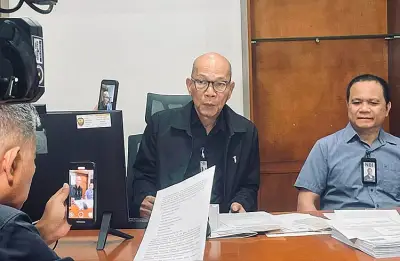
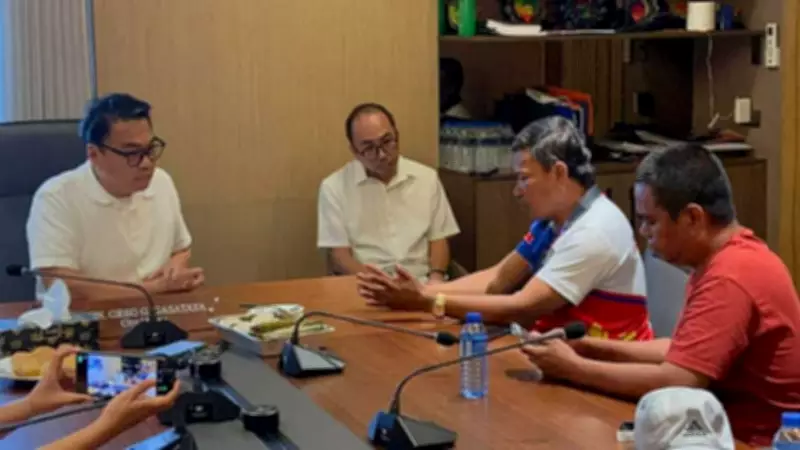
Bacolod City Mayor Greg Gasataya has firmly assured local transport groups that he will personally meet with the Land Transportation Franchising and Regulatory Board (LTFRB) to explore viable solutions to their pressing issues. This commitment follows a significant dialogue held on March 23, 2026, at the Bacolod City Government Center, where Gasataya engaged with leaders and representatives from various transport organizations.
Strike Highlights Grievances Over Fuel Prices and Aid Delays
On Monday, March 23, at least 500 members of transport groups, including the United Negros Drivers and Operators Center–Pagkakaisa ng mga Samahan ng Tsuper at Operator Nationwide (Undoc-Piston), Bacod-Manibela, and tricycle and taxi associations, staged a strike across multiple areas in Bacolod City. The protest was driven by demands for local government support and cash aid from the National Government, amid escalating fuel prices, suspended fare hikes, and economic impacts from the ongoing conflict in the Middle East.
Gasataya emphasized that addressing these problems, particularly the release of cash assistance from the National Government, is a top priority. "From our end, we will discuss and meet with the LTFRB to find possible solutions to their issues," he stated, underscoring his administration's proactive approach.

Cash Aid Distribution and Local Support Efforts
Of the 380 eligible beneficiaries identified for cash assistance, 240 have qualified for aid through the Department of Social Welfare and Development (DSWD). The transport groups have collaborated with the city to assist an additional 140 members who were not included in the official national recipient list. Rudy Catedral, president of Bacod-Manibela, expressed gratitude for the mayor's responsiveness, noting that the city is prepared to help within its capacity and that cash aid is scheduled for release this week.
Catedral highlighted, "We are thankful to Mayor Gasataya's administration for taking the time to listen and talk to us; it only shows good governance and strong leadership." This sentiment reflects a positive rapport between the local government and transport stakeholders.
Peaceful Protest and Law Enforcement Coordination
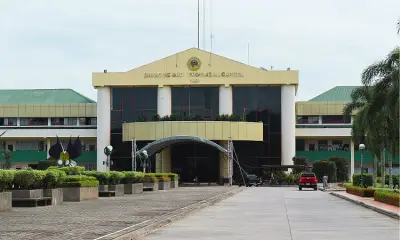
The strike proceeded in an orderly and peaceful manner, thanks to careful planning by law enforcement agencies. Lieutenant Colonel Joem Malong, chief of the Police Regional Office-Negros Island Region (PRO-NIR) Public Information Office, reported that the protest rally, which moved from the Left Bata Flyover to Lacson Street and culminated at the Bacolod City Government Center in Barangay Villamonte, involved an estimated 80 individuals and 50 public utility vehicles from 6:58 a.m. to 10:41 a.m.
To ensure public safety and maintain traffic flow, the Bacolod City Police Office deployed 151 personnel, including:
- 115 in Civil Disturbance Management
- 16 Swat personnel
- 20 covert security officers
Additionally, 56 Reactionary Standby Support Force members were placed on standby for immediate deployment if needed. Malong confirmed that no untoward incidents occurred, attributing the success to strategic deployment and community discipline.
Demonstrators' Demands and Broader Implications
Protesters voiced several grievances through chants and placards, including calls to end US-Israel imperialist actions in Iran, halt oil monopolies, address mass suffering, oppose imperialism, and remove excise taxes. These slogans underscore the broader economic and political frustrations fueling the strike.
Brigadier General Arnold Thomas Ibay commended the peaceful execution of the event, stating, "The successful and peaceful execution of the transport strike is a testament to the discipline of the public and the professionalism of our personnel." He reaffirmed PRO-NIR's commitment to protecting lives, maintaining order, and upholding the rule of law, with enhanced operational readiness and intelligence monitoring to ensure regional peace and order.

This incident highlights the ongoing challenges faced by transport sectors in urban areas like Bacolod, emphasizing the need for collaborative solutions between local governments, regulatory bodies, and community groups to address economic pressures and social welfare concerns effectively.