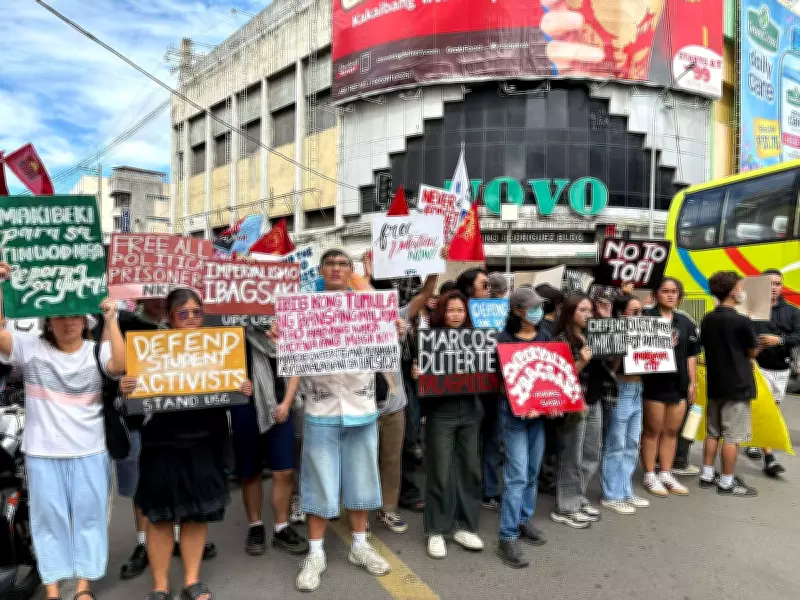
Catholic Bishops Call for Renewed Commitment on 40th Anniversary of EDSA People Power Revolution
The Catholic Bishops' Conference of the Philippines (CBCP) has issued a powerful appeal to all Filipinos, urging them to take concrete actions that foster both personal and societal transformation as the nation marks the 40th anniversary of the historic EDSA People Power Revolution. In a pastoral letter signed by CBCP President Archbishop Gilbert Garcera, the bishops emphasized that mere commemoration of the 1986 events each February 25 is insufficient.
A Challenge Beyond Commemoration
"As the nation remembers EDSA at 40, the challenge is not merely to commemorate the past, but to continue the work of conscience and conversion," Archbishop Garcera declared. "Social transformation remains possible when citizens choose integrity over convenience and truth over silence." The bishops articulated a vision where faith, historical inspiration, and community strength guide Filipinos toward rebuilding a nation where justice prevails, truth is respected, and peace becomes attainable.
The CBCP outlined a clear pathway to good citizenship, beginning with prayer as a foundational step. This spiritual foundation must be followed by moral courage—taking a firm stand against corruption, falsehoods, and injustice. The prelates stressed that citizens must actively demand accountability through constructive dialogue, civic participation, and lawful means, including making informed choices during elections to eliminate elements detrimental to the common good.

Introducing the Katipunan Formation Program
To support these ambitious goals, the CBCP is launching the Katipunan Formation Program for Good Citizenship. Archbishop Garcera clarified that this initiative is not a political movement or campaign program, but rather a formation process designed to mold Filipinos into virtuous citizens grounded in Christian values. The bishops have directed all archdioceses and dioceses to implement this program as soon as possible.
Persistent Social Problems: The Five Ks
Reflecting on the four decades since the ouster of the dictatorship, the CBCP expressed profound sadness over the enduring social maladies that continue to plague the country. "Forty years later, many Filipinos ask a painful question: What happened to that dream?" Archbishop Garcera noted, highlighting widespread frustration and cynicism where many feel that nothing significant has changed.
The bishops identified five persistent issues, termed the "Five Ks":
- Korapsyon (Corruption): Erodes public trust and diverts resources from the impoverished.
- Kahirapan (Poverty): Persists despite honest labor and economic efforts.
- Kriminalidad (Criminality): Creates an atmosphere of fear and insecurity.
- Kasinungalingan (Lies): Distorts truth and undermines democratic foundations.
- Kataksilan (Betrayal): Prioritizes personal or foreign interests over national welfare.
These challenges, according to the CBCP, weaken both public institutions and individual moral conscience, calling for urgent and collective action.
Historical Context and Continuing Legacy
The Catholic Church played a pivotal role in the 1986 revolution, most notably through Archbishop Jaime Cardinal Sin's famous appeal for Filipinos to protect defecting soldiers from the National Government under Ferdinand Marcos Sr. This historical involvement underscores the Church's ongoing commitment to national renewal and social justice, as it seeks to inspire a new generation to uphold the ideals of the EDSA Revolution through faith-driven citizenship and community solidarity.