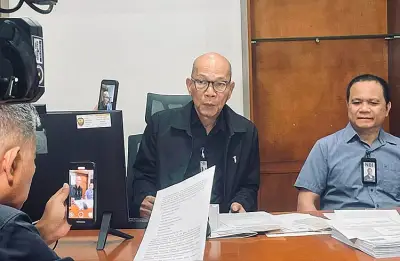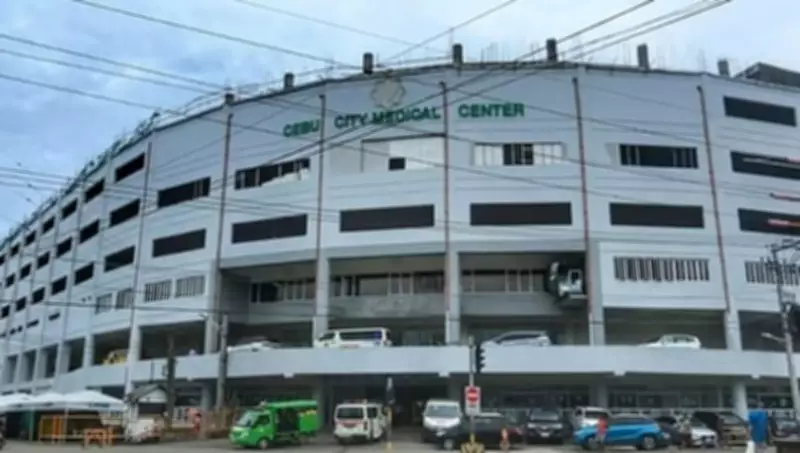
After months of silence and inactivity, construction work has finally resumed at the Cebu City Medical Center (CCMC) in a significant move to address the city's critical healthcare challenges. On Wednesday, February 11, 2026, Mayor Nestor Archival officially restarted the long-stalled project, emphasizing its importance in solving severe hospital congestion that has plagued the facility for years.
Fulfilling a Campaign Promise
Mayor Archival led the ceremonial start of Phase 5 of the construction, which focuses on completing the fourth, fifth, sixth, and seventh floors of the hospital building. Dakay Construction is handling the project, with construction targeted to finish by December 2026. If all proceeds according to plan, full operations are expected to begin by February 2027.
"This is a campaign promise. People are asking, 'Where is it?' It has been six months and nothing has moved. Now it's time to start," Archival stated. "Even if it's late, what's important is that it's there." For many patients, this development offers renewed hope that the days of sharing a single bed with two other people may soon be over, providing much-needed relief in overcrowded wards.

A Revised and Focused Plan
To prevent further delays and control rising costs, the city administration has adjusted the original construction plan. Mayor Archival revealed that they will no longer build the eighth to tenth floors as initially envisioned. Instead, the focus will be entirely on opening the fourth to seventh floors to meet immediate healthcare needs more efficiently.
The budget allocated for this phase is P700 million. While the mayor intends to seek national funding support, the city is utilizing available local funds right now to keep the work moving without interruption. A dedicated team from the City Government will closely monitor progress to ensure timelines are met. Additionally, assessments have shown that repairs are needed in the basement and the first three floors, which could cost an additional P400 million.
Relieving Severe Overcrowding
The primary goal of this project is to create more space for patients, directly addressing the current severe overcrowding. At present, the CCMC can only handle approximately 150 beds, forcing up to three patients to share one bed simultaneously. Once the new floors are completed, the hospital's capacity is expected to jump to around 400 beds, significantly improving patient comfort and care quality.
Mayor Archival pointed out that over 50 percent of current admissions are for primary cases, such as fever and diarrhea. This overcrowding crowds out patients with more serious illnesses, who often have to be referred to private hospitals or the Vicente Sotto Memorial Medical Center. "This is not sustainable. Primary cases are filling up the hospital, while patients with more serious conditions are the ones being referred out," he explained, highlighting the urgent need for expanded facilities.
Waiting for Essential Medical Equipment
The completion of the building itself is crucial for unlocking access to better medical tools and equipment. The city is coordinating with the Department of Health (DOH) to secure vital equipment, including MRI machines, X-ray devices, and dialysis units. However, the DOH cannot release this aid until the rooms are ready and fully constructed.
"DOH told us this is a very important stage in strengthening our healthcare system. They have the budget, but they cannot release it because we don't yet have a place to put the equipment," Archival elaborated. The city began requesting this assistance back in December 2025, underscoring the interconnected nature of infrastructure and medical resources.
Broader Healthcare Improvements
Beyond the CCMC project, the administration is working to enhance health services across the city. The second floor of the Guba District Hospital, funded by the DOH, is currently under construction and expected to be finished by the end of 2026. Mayor Archival also emphasized strengthening barangay health centers, aiming to handle simpler cases at the community level to reduce crowds at major hospitals and improve overall healthcare accessibility.

The CCMC project was first launched in 2015 to replace the building destroyed by the 2013 earthquake. After years of stalled contracts, technical delays, and periods of inactivity, the resumption of work marks a renewed and determined effort to finally deliver the modern healthcare facility that Cebu City desperately needs, promising a brighter future for patient care and medical services in the region.