Cebu City and Barangay Mabolo Forge Agreement to Resolve Waste Management Dispute
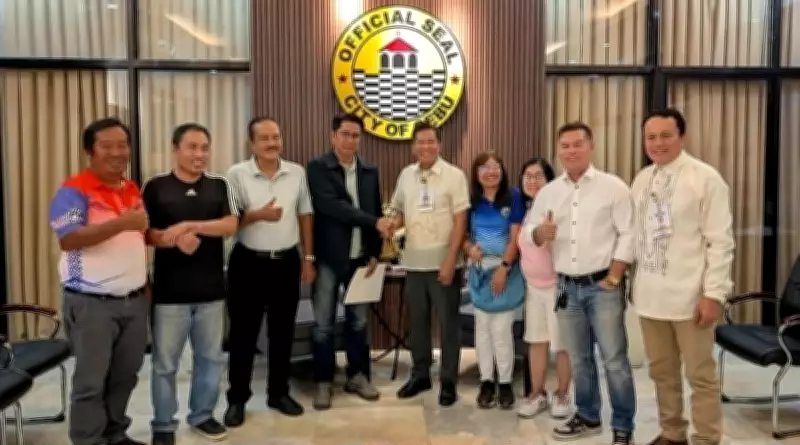
In a significant development for urban governance, Cebu City Mayor Nestor Archival and Barangay Mabolo Captain Daniel Francis Arguedo have successfully resolved a contentious waste management controversy through a closed-door meeting. The dispute centered on Block 27, a city-owned property in the North Reclamation Area of Mabolo, which has been utilized as a temporary waste processing site. This agreement marks a pivotal step toward addressing community concerns and enhancing environmental stewardship in the region.
Roots of the Conflict and Community Concerns
The controversy erupted due to mounting complaints from barangay officials and residents regarding ongoing composting and waste-related activities at Block 27. Residents voiced strong objections to foul odors emanating from biodegradable waste, including decomposing materials sourced from Carbon Market. Barangay officials highlighted a lack of prior coordination with the city government, raising alarms about potential health risks and environmental degradation affecting nearby communities. These issues were compounded by earlier reports that city workers had blocked garbage trucks from Mabolo from entering the site on February 18, 2026, citing concerns over unsegregated waste loads.
Prior to this incident, the barangay leadership had sought permission through a letter dated February 9, 2026, to conduct sorting operations at Block 27 in collaboration with the City Agriculture Department. They claimed to have received verbal approval from a city representative on the same day. This request was driven by capacity limits at the Consolacion landfill, where Cebu City had been disposing of waste following the Binaliw trash slide on January 8, 2026. In response, Mabolo had diverted biodegradable waste for composting and separated recyclables at the site for several days before the access blockage occurred.

Escalation and Resolution Efforts
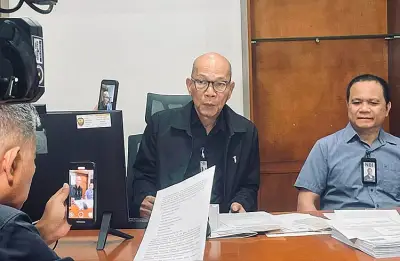
The situation escalated on February 19, 2026, when barangay personnel blocked the main gate of Block 27, resulting in approximately 10 tons of garbage being dumped at the entrance. City crews later cleared this waste and restored access to the area. Speaking at a news forum on March 3, 2026, Captain Arguedo clarified that there is no lingering conflict between him and Mayor Archival, emphasizing that his earlier statements were aimed at safeguarding residents' welfare rather than fostering political tension.
Under the newly forged agreement, waste-related activities at Block 27 may continue, but with stricter monitoring from the barangay to ensure operations do not adversely impact the community. Arguedo stressed the necessity of checking the continuous operation for feasibility and non-detrimental effects, particularly addressing odor complaints. He acknowledged the city government's legal authority over Block 27 but asserted that such authority is not absolute, underscoring the need for prior coordination with barangay officials for activities like waste dumping that directly affect residents.
Implementation and Future Measures
Barangay Councilor Rolando Supremo provided insights into ongoing efforts, noting that the barangay has been gradually clearing and cleaning the site. Biodegradable and recyclable waste are now being segregated, with decomposing materials shredded to accelerate the process. Supremo emphasized that only Barangay Mabolo and Carbon Market are permitted to dispose of biodegradable waste at Block 27, while mixed waste continues to be transported to the South Road Properties (SRP).
Despite the city's broader garbage challenges, Arguedo highlighted that Barangay Mabolo has maintained daily waste collection without major disruptions, crediting residents for their compliance with the barangay's waste segregation policy. This cooperation has been crucial in keeping the situation manageable. Additionally, the meeting addressed long-pending road asphalting projects in the barangay, with the city committing to expedite the delivery of asphalt for damaged roads, responding to residents' infrastructure concerns.

In a concluding statement, the city government underscored the importance of open dialogue and coordination between city and barangay officials in resolving environmental and infrastructure issues, setting a precedent for collaborative governance in Cebu City.