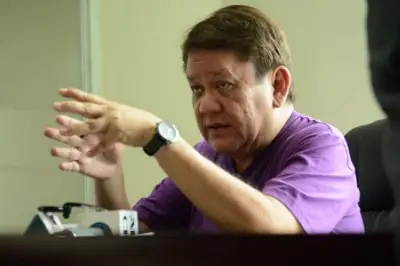
Cebu City Mayor Nestor Archival has decided to delay the city's return to the Binaliw landfill, even though environmental officials say the facility is ready to operate again. While the government is eager to solve a growing trash problem, safety concerns following a tragic accident earlier this year have put the plan on hold.
Safety First
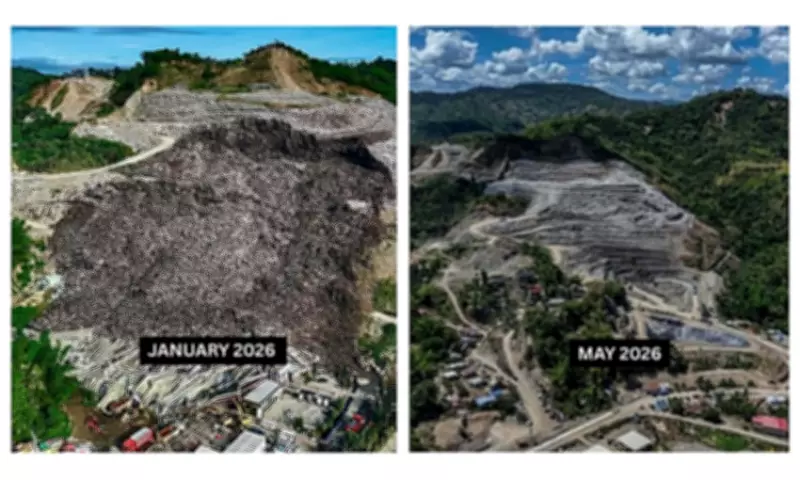
The Department of Environment and Natural Resources (DENR) recently notified the city that Prime Integrated Waste Solutions Inc. (PWS), which runs the Binaliw landfill, has finished the required repairs. These repairs were ordered after a massive trash slide on January 8, 2026, which tragically killed 36 people.
"We were expecting that we could already deliver our garbage there because last week we received a notice from the DENR that Binaliw had complied with their requirements," Mayor Archival said on Wednesday, May 13.

However, members of the Cebu City Council are not convinced. Council members, including Joel Garganera, have questioned if the site is truly safe while investigations into the January disaster are still ongoing. Some even argued the site should still be treated as a crime scene. Because of these worries, Mayor Archival has suspended the reopening until a technical team can double-check the facility.
Why the City Needs a Solution Now
The city is currently in a difficult spot with its waste. For a while, Cebu City was sending its trash to Aloguinsan, about 60 kilometers away. However, that deal ended on May 11 because the city had already used up its allowed amount of tonnage.
Currently, the city's garbage is piling up at a temporary "staging area" at the South Road Properties (SRP). To help manage the load, some neighborhoods are sending separated waste to eco-stations, but the main pile at the SRP continues to grow.
The Cost of Waiting
Finding a place for trash isn't just a logistics problem—it's an expensive one. Sending waste to Aloguinsan cost the city about P3,906 per ton, which is nearly four times more than the P1,100 per ton fee at Binaliw. With the city creating 600 to 700 tons of trash every day, officials warn that costs could soar to P2 billion a year if a local solution isn't found.
To manage the crisis, Mayor Archival has placed the city under a State of Solid Waste Management Emergency. This order calls for stricter recycling, composting, and waste segregation to reduce the amount of trash being thrown away.
What Happens Next?
Mayor Archival pointed out that the proposed dumping area in Binaliw is a new, separate "cell" and is not the same area where the January collapse occurred. "That area is not the area where they are going to put the garbage. They are making another cell," he explained.
A Technical Working Group is expected to submit a report in the coming days. If the report shows the site is safe, the city will resume operations at Binaliw. Until then, Cebu City remains in a race against time to manage its waste without breaking the budget or compromising public safety.