Cebu City Moves to Regulate Public Sleeping with New Safety-Focused Ordinance
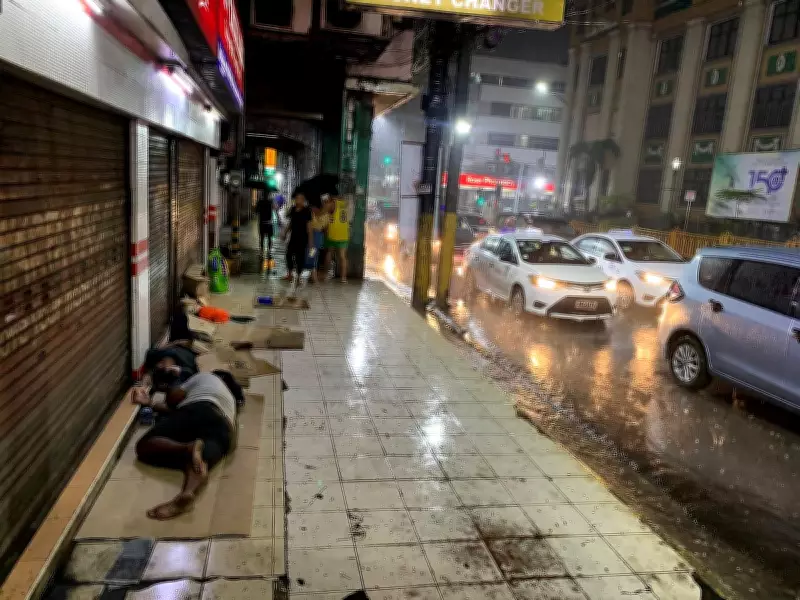
In a bid to address ongoing safety and welfare concerns, Cebu City is poised to implement stricter rules regarding sleeping on public streets and sidewalks. The proposed measure, known as the "Cebu City Public Sleeping Regulation Ordinance," aims to curb instances where public sleeping obstructs pathways or creates hazardous conditions, rather than imposing a blanket ban.
Targeted Approach to Public Sleeping
Authored by Councilor Harold Kendrick Go and endorsed to the City Council on Tuesday, March 10, this ordinance specifically targets sleeping that blocks pedestrian or vehicle traffic, occurs in dangerous locations such as bridges and construction sites, or leads to documented sanitation risks. Authorities will identify violations based on indicators like the use of cardboard or mats, makeshift tents, or individuals remaining in a sleeping position for at least 15 continuous minutes.
It is important to note that there is currently no national law in the Philippines criminalizing public sleeping, as the old vagrancy law was decriminalized in 2012 through Republic Act No. 10158. This city-level initiative seeks to fill that regulatory gap with a balanced approach.

Humanitarian Measures Before Penalties
The proposed ordinance prioritizes a humanitarian response, requiring social assistance before any punitive actions. The Cebu City Department of Social Welfare and Services (DSWS) will take the lead in assessing individuals and offering support. Upon first encounter, authorities will issue a Notice of Warning and Referral (NWR), which includes an offer of free transportation to a proper shelter.
Fines and legal measures will only apply to repeat violations, ensuring that vulnerable populations receive help initially. The penalty structure is as follows:
- First violation: A warning and social service referral.
- Second violation: A fine of P3,000 or eight hours of community service.
- Third violation: A fine of P5,000 or 16 hours of community service.
- Fourth violation: Could lead to a criminal complaint, with a P5,000 fine or 10 to 30 days of imprisonment.
This framework is designed to maintain clear and safe city streets while safeguarding the welfare of those in need through proactive social services.