Every time intense and frequent rainfall hits Cebu, we see on television and social media that roads are flooded, passengers are stranded, schools are turned into evacuation centers, and families climb onto roofs while waiting for help. There are also images and videos of some government officials posting that they are supposedly "monitoring the situation," wearing raincoats and boots while standing near overflowing rivers or clogged canals. The message is clear—they are there, they are active, they are taking action.
Is It All Natural, or Partly Man-Made?
It cannot be denied that climate change has worsened weather conditions. Storms are stronger, rainfall is heavier and more prolonged, and weather systems are harder to predict. However, nature should not be the only one blamed for why the same areas always flood, why newly paved roads are damaged immediately after a heavy rain, or why so-called completed flood-control projects fail during the first severe downpour.
The Issue of Good Governance
Here is where the issue of good governance comes in. If materials are substandard, drainage systems lack proper design, or there are projects that exist only on paper or as "ghost projects"—the damage from natural disasters will be magnified. When millions of funds for flood control are not implemented correctly, the result is not just inconvenience. It can lead to business disruptions, class cancellations, livelihood damage, and in the worst cases, loss of life.

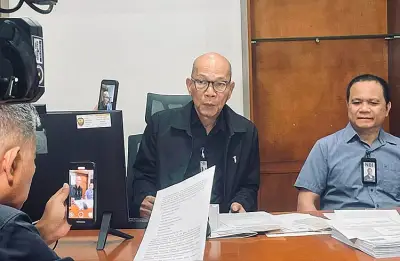
The aspect of presentation is also disheartening. The viral posts by some officials or their government-paid focal persons often show "monitoring activities": aerial inspections, emergency meetings, or site visits.
Annual Funds, Recurring Weaknesses
Every year, there are funds allocated for infrastructure and disaster mitigation. Yet, the community continues to face the same vulnerabilities. Because of this, doubts arise: Is the quality of materials adequate? Is there overpricing? Were the projects truly completed? Or are there projects that exist only on paper?
The Need for Genuine Transparency
Therefore, genuine transparency is essential. If funds are used cleanly and correctly, evidence should not just be photos, but clear reports, audit findings, and concrete results that the people can see and feel.
Building Resilience for the Future
Bad weather will continue to come, and we need a strong plan for adaptation and preparation. This requires long-term planning, strict enforcement of engineering standards, independent auditing of public works, and genuine political will to punish corruption and failures.
When the sky rains, it is not just roads and bridges that are tested—but our institutions. Nature may initiate the crisis, but good governance will determine whether it becomes a disaster or an avoidable problem.
Until answers and accountability move as forcefully as the floods, the people's question will persist: Is this a natural calamity—or a calamity that could have been prevented with true integrity and responsible governance?