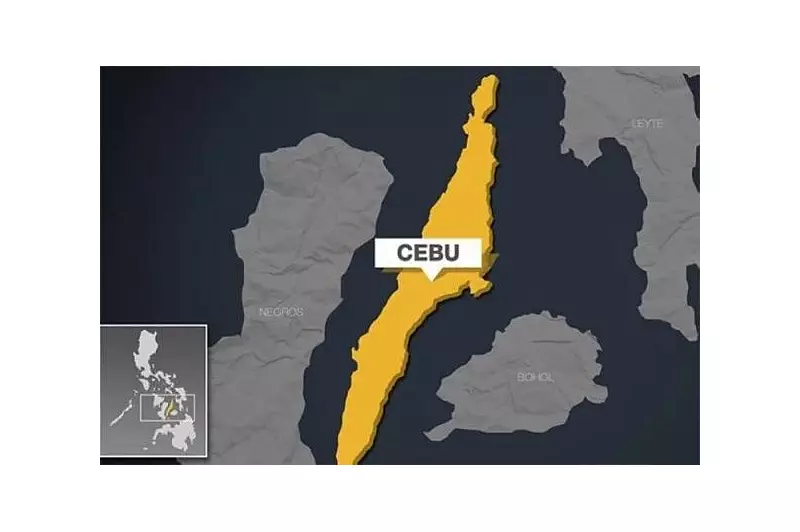
The year 2025 proved to be a period of profound trials and significant transitions for the province of Cebu. A combination of intense political battles, unexpected electoral results, and devastating natural calamities created a tapestry of tension and loss, leaving an indelible impact on the island and its residents as the year concluded.
Political Arena: Elections and Accountability
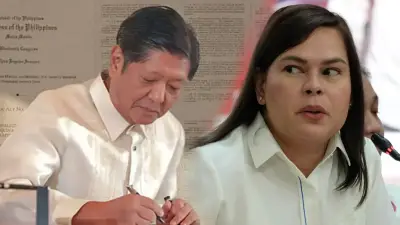
The political landscape of Cebu was marked by dramatic changes and legal confrontations. The May 12, 2025 midterm elections delivered a major shock when incumbent Governor Gwendolyn Garcia, running under the Marcos administration banner, was defeated by political newcomer Pamela Baricuatro, who had backing from figures aligned with former President Rodrigo Duterte.
In Cebu City, another upset unfolded as Councilor Nestor Archival triumphed over Mayor Raymond Alvin Garcia, with former mayor Tomas Osmeña making a comeback as vice mayor. Results across the province showed a mix of continuity and new faces entering office.

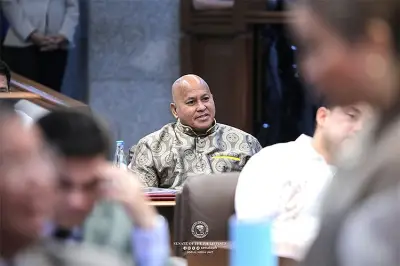
Parallel to the polls, the Office of the Ombudsman played a central role. In April, Ombudsman Samuel Martires ordered the preventive suspension of then-Governor Garcia over a desilting controversy in a protected landscape, though the Court of Appeals later stopped this order. The Ombudsman eventually found her guilty of simple misconduct and conduct prejudicial to the best interest of the service, imposing a fine equivalent to six months' salary.
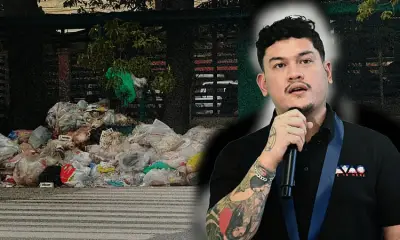
The anti-graft body also mandated the dismissal of several officials, including Borbon Vice Mayor Noel Dotillos for grave misconduct, and multiple Cebu City officials, including Mayor Michael Rama, in connection with a P239-million garbage contract anomaly.
Cultural Return and Natural Wrath
The year began on a note of tradition with the Sinulog Festival returning in January to its original home at the Cebu City Sports Center (CCSC). This move, announced in August 2024 by then-acting mayor Raymond Alvin Garcia, reversed the previous administration's decision to hold the event at the South Road Properties (SRP), a venue criticized for lacking shade and negatively affecting local commerce. The festival also resumed its classic parade route through the city's major streets.
The latter half of 2025, however, brought severe natural disasters. On September 30, a powerful magnitude 6.9 earthquake struck northern Cebu. Originating from the newly identified Bogo Bay Fault, the shallow offshore quake near Bogo City killed at least 79 people, injured thousands, and caused billions of pesos in damage. Heritage structures, including the Archdiocesan Shrine of Santa Rosa de Lima Church in Daanbantayan, were among the countless homes, schools, and buildings destroyed or condemned.
Before the province could recover, Typhoon Tino (Kalmaegi) struck on November 4, dumping a month's rainfall in just hours. This triggered catastrophic flash floods, killing more than 100 people in Cebu and pushing the national death toll past 200. Rivers like the Butuanon, Mananga, Cansaga, Cotcot, and Danao overflowed, inundating densely populated communities. In response, President Ferdinand Marcos Jr. ordered the enforcement of no-build zones in high-risk areas and directed national agencies to assist in relocating affected families.
Environmental Reckoning and Lasting Impacts
The consecutive disasters intensified scrutiny on environmental and development policies. The catastrophic flooding renewed fierce debate over upland projects like Monterrazas de Cebu. Critics argued that land development in the Guadalupe and Lahug uplands disrupted natural drainage systems, exacerbating flooding downstream.

The Department of Environment and Natural Resources (DENR) filed criminal charges against the project's developer. Meanwhile, both city and national agencies promised stricter monitoring. The Cebu City Council later advocated for a moratorium on new upland developments and a comprehensive review of existing projects, leaving this critical issue unresolved as 2025 ended.
Together, these events—political upheavals, cultural resurgence, seismic tragedy, and environmental policy challenges—defined a year that tested the resilience of Cebu and its people, setting the stage for ongoing recovery and reflection.