Davao Councilor Demands Action on Fuel Price Crisis
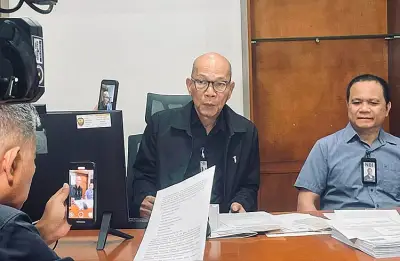
In a powerful privilege speech delivered on March 24, 2026, Davao City Councilor Pamela A. Librado-Morata raised urgent concerns about the escalating fuel price crisis, emphasizing its disproportionate impact on the city's most vulnerable residents. Speaking as a representative of ordinary Dabawenyos, she declared that the situation is not a mere market fluctuation but a compounding emergency that threatens livelihoods and dignity.
Stark Reality of Rising Costs
Librado-Morata cited government data showing that petroleum product prices, including diesel and gasoline, have surged by an average of ₱80 to ₱106 per liter this year. This spike has triggered a domino effect, driving up the costs of essential goods. For instance, as of March 19, over 70% of fruits and vegetables at Bankerohan Public Market have seen price hikes, with items like onions, garlic, tomatoes, carrots, eggplant, and pechay becoming more expensive. Similarly, around 80% of meat and seafood products have increased in price, and even staples like rice and eggs have not been spared.
Unequal Burden on Key Sectors
The councilor detailed how different groups are suffering uniquely. Public utility drivers face daily losses of at least ₱500 due to higher diesel costs, with some operators forced to suspend operations entirely. Fisherfolk, for whom fuel constitutes 70% to 80% of operational expenses, are often stranded ashore, unable to fish or earn a living. Delivery riders are losing up to ₱100 per day, further straining their limited incomes. Commuters, including workers, students, and vendors, bear the brunt through increased transportation fares and pricier goods.

Call for Legislative and Local Reforms
Librado-Morata argued that temporary relief measures are inadequate and called for substantive legislative changes. She criticized the Oil Deregulation Law for allowing oil companies to set prices unchecked, leaving citizens to absorb the burden, a point even acknowledged by the Department of Energy. To address this, she proposed three urgent measures:
- Remove or suspend fuel excise taxes and VAT on petroleum products to alleviate the financial strain on people during this high-cost period.
- Regulate the oil industry to ensure transparency, accountability, and pricing mechanisms that prioritize public interest over corporate profits.
- Expand free ride programs in Davao by adding more buses to provide immediate relief for commuters, a strategy proven effective during the pandemic.
A Crisis of Dignity and Equity
Beyond economics, Librado-Morata framed the issue as one of human rights, urging action to protect the economic and social well-being of those hardest hit. She stressed that the burden must not fall solely on the poorest, calling for collective responsibility to uphold fairness and survival in these challenging times.