DSWD Field Office 7 Ramps Up 4Ps Registration in Bohol and Cebu with Enhanced Data Methods
Starting this April, the Department of Social Welfare and Development Field Office 7 (DSWD FO 7) has intensified the registration of potential beneficiaries for the Pantawid Pamilyang Pilipino Program (4Ps) in the provinces of Bohol and Cebu. This initiative employs a more updated and data-driven approach to identify qualified households, ensuring that government assistance reaches those most in need.
Registration Numbers and National Goals
According to DSWD FO 7, there are 4,378 potential beneficiaries in Bohol and 14,476 in Cebu, totaling 18,854 households across the region. This effort is part of a national campaign to register over 493,000 new beneficiaries beginning this month, aiming to expand the program's reach and impact.
Implementation of the Community-Based Monitoring System Act
This move follows the enforcement of Republic Act No. 11315, or the Community-Based Monitoring System (CBMS) Act, which officially integrates the CBMS as the Standardized Targeting System (STS) for the 4Ps program. By utilizing this system, the identification of new poor and near-poor families becomes more accurate and systematic, reducing errors and improving efficiency.

Regional Director Shalaine Marie Lucero emphasized that using updated local data guarantees that government aid, through the 4Ps program, is directed to families who genuinely require support. "Through the use of updated local data, we are making sure that government assistance reaches, through the 4Ps program, the families who truly need support," she stated.
Eligibility Criteria and Prioritization
From the CBMS list, families classified as "poor" and "near-poor" will be evaluated based on the program's socio-demographic criteria. Key factors include:
- Presence of pregnant women and children aged 0 to 18.
- Families facing various conditions of hardship.
Priority will be given to households with:
- Multiple children.
- Young dependents requiring ongoing health and nutrition support.
- Members from vulnerable sectors such as solo parents, persons with disabilities (PWDs), Indigenous Peoples (IPs), senior citizens caring for families, and residents of geographically isolated and disadvantaged areas (Gida).
Registration Process and Community Involvement
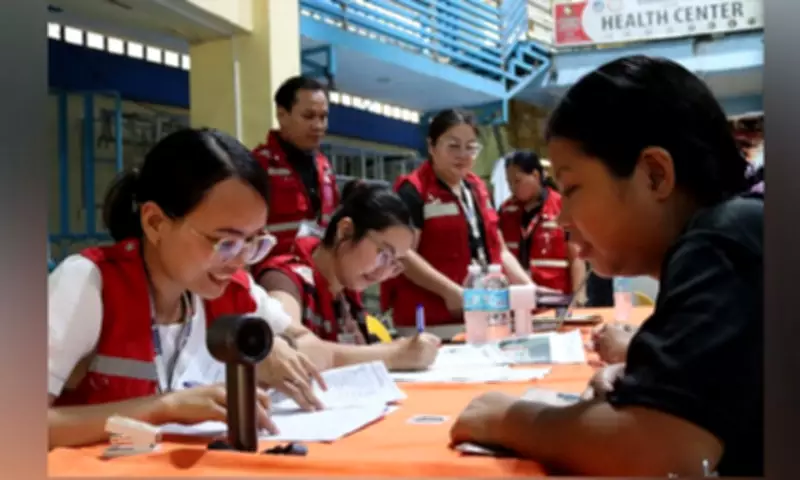
The registration is conducted through organized community assemblies in partnership with Local Government Units (LGUs), particularly in areas with high poverty incidence. The process involves:
- Document verification.
- Household data validation.
- Eligibility assessment.
- Identity authentication via the Philippine Identification System (PhilSys) or National ID.
To streamline operations, one-stop shops have been set up at registration sites with assistance from partner agencies like the Philippine Statistics Authority (PSA), local civil registrars, health offices, and other entities. Here, families can quickly obtain necessary documents such as birth certificates and valid IDs.
Post-Registration Steps and Program Commitment
After completing registration, families attend an orientation on program benefits and responsibilities and sign an oath of commitment. This oath includes pledges to:
- Provide accurate information.
- Comply with health and education requirements.
- Regularly update their records.
"The registration process is designed to be transparent, organized, and supportive. We work closely with local government units to ensure that eligible families are properly assessed and assisted throughout the process," added Director Lucero.
Long-Term Objectives and Socio-Economic Impact
This ongoing registration supports the program's goal to maintain a national target of 3.5 million beneficiaries while ensuring that aid remains focused and responsive to evolving poverty conditions. As some beneficiaries graduate due to improved circumstances, the inclusion of new qualified families ensures the program continues to assist the most vulnerable, especially amid persistent socio-economic challenges.

The 4Ps remains the government's flagship human capital investment program, providing conditional cash transfers to enhance health, nutrition, and education for impoverished families, contributing to long-term poverty reduction.