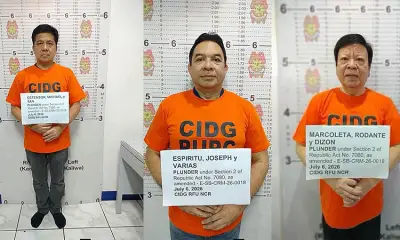
The Sangguniang Kabataan (SK) was established to provide young Filipinos with a genuine voice in governance and to prepare them to become principled public servants. Through the Sangguniang Kabataan Reform Act of 2015 (Republic Act No. 10742), the National Government aimed to strengthen accountability, improve qualifications, and encourage responsive leadership. Yet one critical question persists: Is the SK fulfilling its purpose, or is it simply introducing young leaders to the same political culture many Filipinos hope to change?
Representation vs. Practice
The issue is not whether the SK is necessary. Young people deserve representation because they understand the challenges their generation faces—from education and employment to mental health, climate resilience, and digital literacy. The greater concern is how youth leadership is often practiced. In many communities, SK performance is associated with highly visible activities such as sports tournaments, pageants, concerts, and celebrations. These programs have value in promoting unity and engagement, but they should not define youth governance. Public service is measured not by the size of an event but by the lasting impact of public resources.
Impact Beyond Events
Educational assistance, mental health initiatives, disaster preparedness, and livelihood programs may attract less attention, yet they often create greater and more sustainable benefits for young people. The challenge becomes more complex because SK officials work within existing political structures. While experienced leaders can provide valuable guidance, young officials may also be exposed to patronage politics, personality-driven leadership, and decision-making influenced by political interests rather than community needs. This raises an important question: Are future leaders learning how to govern, or merely how to survive within a flawed system?

Exceptions and Expectations
Many SK officials across the country have proven that meaningful youth leadership is possible through innovative and community-centered programs. However, these examples remain exceptions rather than the standard. Responsibility also rests with the public. Communities often reward popularity over competence and pay little attention to planning, budgeting, or accountability. Better governance requires citizens who expect more than visible events and demand programs that create lasting change.
The Future of the SK
The future of the SK depends not only on the young people elected to serve but also on the standards society chooses to uphold. The institution should neither be dismissed because of the failures of some nor excused because its leaders are young. If the SK is to become the training ground for the nation’s future leaders, success must be measured not by applause during a term of office, but by the lasting difference left in the communities they serve.