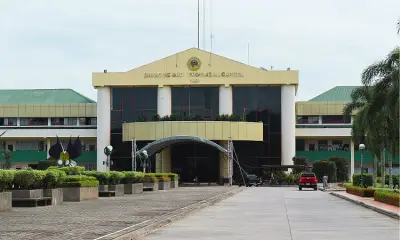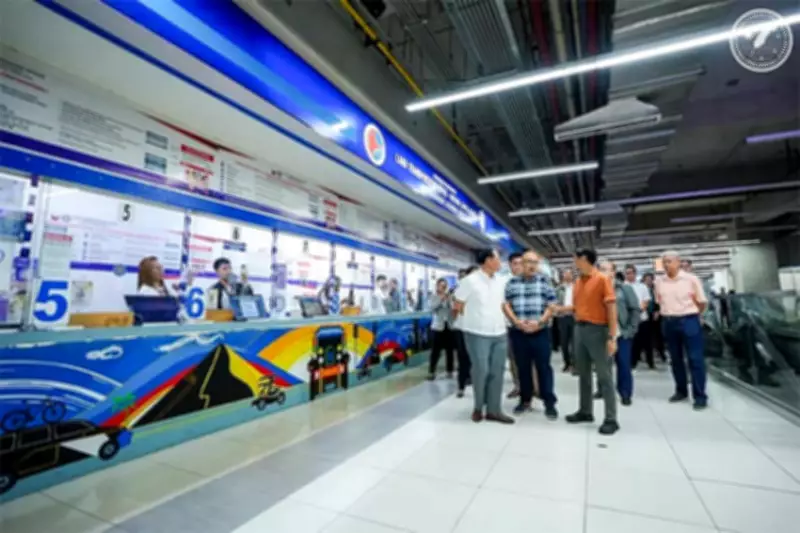
President Ferdinand Marcos Jr. made a personal visit to the Parañaque Integrated Terminal Exchange (PITX) on Tuesday, March 24, 2026, to oversee the crucial launch of the government's fuel subsidy distribution program. This initiative is designed to provide financial relief to public utility drivers and operators across the Philippines, who are grappling with the severe economic strain caused by skyrocketing fuel prices. The price surge is directly attributed to the ongoing and volatile conflict in the Middle East, which has disrupted global oil markets.
National Rollout of Financial Assistance
During his inspection at the PITX, President Marcos emphasized the nationwide scope of the subsidy program. He stated, "I am here to ensure that our fuel subsidy program is running smoothly because we're starting today. But this is not just in Metro Manila — it's happening all over the country." His presence underscored the administration's commitment to a transparent and efficient distribution process, aiming to deliver immediate support to those most affected by the fuel crisis.
Subsidy Allocation and Beneficiary Details
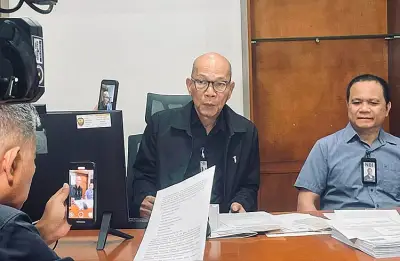
In a detailed press briefing, Department of Transportation (DOTr) Secretary Giovanni Lopez outlined the substantial financial framework of the program. The government has allocated a significant budget of P2.5 billion specifically for this fuel subsidy initiative. This substantial fund is projected to benefit a vast number of individuals in the public transport sector, including 245,066 drivers and 1,180,783 operators nationwide.

The subsidy covers a wide array of public utility vehicles, ensuring broad-based support. The beneficiaries include operators and drivers of modern and traditional jeepneys, taxis, Transport Network Vehicle Services (TNVS), buses, Point-to-Point (P2P) buses, school buses, Filcabs, UV Express vehicles, tricycles, and delivery services.
Structured Payout Amounts for Different Sectors
The cash assistance amounts are strategically tiered based on vehicle type and role:
- Operators of buses, modern UV Express units, and both traditional and modern jeepneys will receive a substantial P10,000 subsidy for each vehicle unit.
- Drivers of buses, school transport vehicles, taxis, and modern and traditional UV Express units are allocated P5,000 each.
- School transport operators, traditional UV Express operators, and jeepney and Filcab operators will also get P5,000 per unit.
- Taxi operators are set to receive P2,000 for each vehicle.
Furthermore, drivers of modern and traditional jeepneys, Filcabs, and TNVS who have already received a P5,000 cash subsidy from the Department of Social Welfare and Development (DSWD) will be granted an additional P1,500 from the DOTr program, providing layered support.
Distribution Channels and Timeline
To ensure efficient and accessible disbursement, the cash subsidies will be released through multiple flexible channels. Beneficiaries can receive their funds via Fuel Subsidy Cards, direct bank-to-bank transfers, manager's checks, direct cash payouts, or e-wallet transfers, all of which can be withdrawn without any charges.
Secretary Lopez also announced a slight adjustment in the timeline for certain groups, noting that the payout of fuel subsidies for tricycle drivers and delivery riders is scheduled to occur after the Holy Week period, allowing for logistical planning.
Government and Private Sector Collaboration
President Marcos highlighted the critical importance of strong cooperation between the government and the private sector in effectively managing the widespread impact of fluctuating and often volatile oil prices. This collaborative approach is seen as essential for stabilizing the public transport ecosystem and supporting the livelihoods of hundreds of thousands of Filipinos during this challenging economic period driven by international conflict.