President Marcos Secures No-Fare Hike Commitments for Holy Week Travel Amid Fuel Price Surge
As the Philippines prepares for the annual Holy Week exodus, President Ferdinand R. Marcos Jr. has announced significant measures to protect travelers from fare increases. In an interview with Bloomberg on Tuesday, the President revealed that ferry and bus operators have committed to not raising fares during this peak travel period, despite rising fuel costs.
Protecting the Riding Public During Peak Travel Season
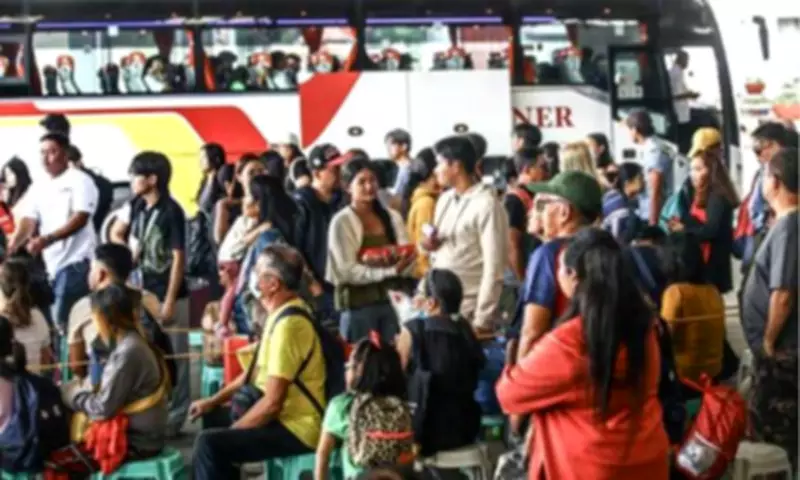
"We've gotten commitments from ferries that they will not raise their fares, we're doing the same thing with buses that they will not raise their fares and they do not limit or cut down the trips they will be taking," President Marcos stated. Holy Week represents one of the country's busiest travel seasons, with massive numbers of passengers expected to journey to provincial destinations to observe religious traditions and spend time with family.
The government's primary concern centers on minimizing the economic impact on ordinary citizens. "We're doing everything we can so the riding public, the general public, the people who are working, the middle class, they are the ones we are most concerned about, so it does not become a drag to their livelihoods," Marcos emphasized.

PHP2.5 Billion Fuel Subsidy Program
To further cushion the impact of escalating fuel prices, the administration has prepared substantial financial assistance for the transport sector. "In the next two days, we're going to be spending about PHP2.5 billion in fuel subsidies. We have planned four of those rounds of subsidies," the President disclosed.
This assistance will be distributed to operators and drivers across multiple transportation modes:
- Ships and ferry services
- Bus companies and operators
- Public transportation providers
- Delivery system operators
National Energy Emergency Declaration
In a related development, President Marcos signed Executive Order 110 on Tuesday, declaring a state of national energy emergency. This declaration cites significant risks to the country's energy security stemming from the ongoing conflict in the Middle East, which has contributed to global fuel price volatility.
The convergence of these measures—fare freeze commitments, substantial fuel subsidies, and emergency energy declarations—represents a comprehensive government response to ensure affordable travel during one of the Philippines' most important cultural and religious periods while addressing broader economic pressures affecting transportation costs nationwide.