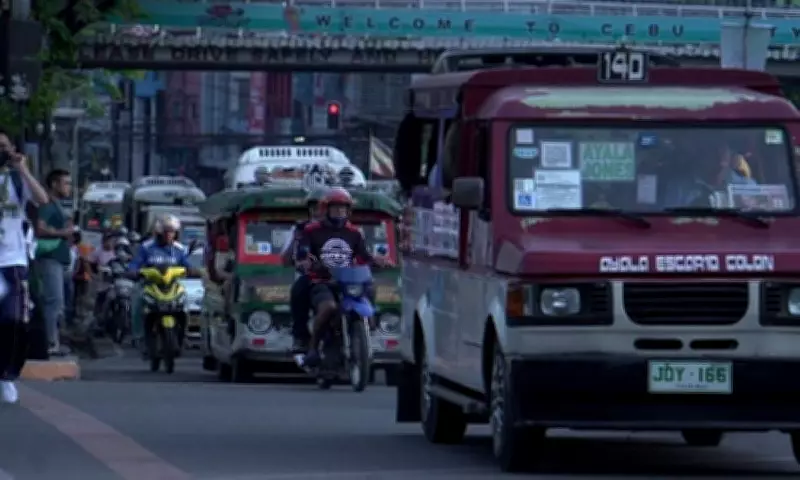
Marcos Suspends Jeepney Fare Hike Amid Mounting Economic Pressures
President Ferdinand Marcos Jr. has officially suspended the planned jeepney fare increase, preventing the minimum fare from rising to P14 for traditional jeepneys and P17 for modern units. This decisive move aims to shield millions of students and workers from additional daily expenses during a period of economic strain, yet it has ignited a fierce debate regarding the long-term survival of the nation's transport sector.
Government Intervention to Ease Commuter Burden
The President emphasized that this is not the appropriate time to impose further financial burdens on citizens. In response, the administration has pledged to accelerate the distribution of financial assistance, expand toll discount programs, and maintain free-ride initiatives on major public train systems, including the MRT and LRT.
The Daily Struggle for Commuters and Drivers
For the average commuter, even a single peso increase accumulates rapidly with multiple daily rides. In an era marked by escalating prices, maintaining low fares offers immediate relief to individuals and families operating on constrained budgets.

However, this fare freeze transfers the economic struggle directly to jeepney drivers. Transport leaders, such as Greg Perez of Piston-Cebu, highlight that fuel costs have doubled in recent times. Drivers who previously spent P1,000 daily on diesel now face expenses of P2,000, drastically reducing their take-home pay from a modest P1,000 to a meager P300 or P500.
Risk of Transport Shortages and Empty Streets
Without the fare hike to provide a necessary financial buffer, numerous operators warn they may be forced to cease operations entirely. Ellen Maghanoy of the Federation of Cebu Transport Cooperatives explained that if operational costs exceed earnings, there is no logical incentive to remain on the road.
Should a significant number of drivers opt to stay home, the result could be a severe transportation shortage, ironically leaving the very commuters the government sought to protect without viable means to travel to work or educational institutions.
Criticism of Government Aid Programs
While the government has promised fuel subsidies to assist drivers, many within the transport sector argue the current system is fundamentally flawed. Various groups have criticized the program for being inefficient and disorganized, alleging that funds frequently fail to reach the individual drivers who are most in need.
Furthermore, cooperatives that invested in modern jeepneys are grappling with substantial loan repayments. With their income effectively frozen and fuel prices continuing to climb, these organizations face imminent financial peril.
The Path Forward and Lingering Questions
Attention now shifts to whether the government can effectively deliver its promised support before transport groups initiate coordinated strikes. Beyond one-time cash payments, many operators are urging the administration to eliminate taxes on diesel to sustainably lower fuel prices for all stakeholders.
This complex situation underscores the delicate balance policymakers must strike between ensuring affordable travel for the public and guaranteeing that the transport industry can remain financially viable to keep the nation moving forward.