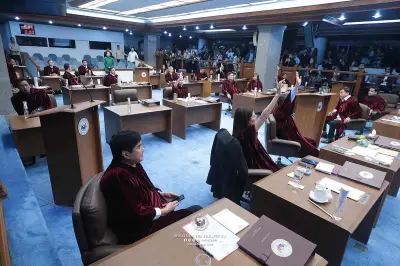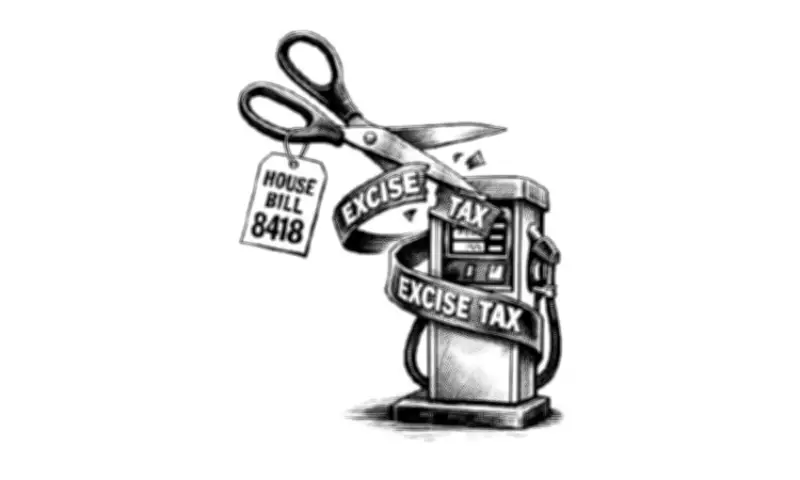
The anticipated approval of House Bill 8418 by the House of Representatives of the Philippines marks a significant governmental step, granting President Ferdinand Marcos Jr. the authority to temporarily reduce or suspend excise taxes on petroleum products. This legislative action demonstrates a proactive effort to seek rapid solutions in response to the persistent surge in global oil prices. While it promises potential relief for the populace, it simultaneously sparks critical questions regarding the condition and resilience of the nation's energy and economic policies.
The Impact of Excise Taxes on Daily Life
It is undeniable that excise taxes on oil play a substantial role in driving up costs for transportation, food, and other essential commodities. When global market prices for petroleum escalate, the effects are directly felt by drivers, workers, and ordinary families across the Philippines. Empowering the President to adjust these taxes during crises could serve as a practical approach to alleviate the burden on citizens, offering a buffer against economic strain.
Short-Term Relief Versus Long-Term Strategy
However, this measure also highlights weaknesses in the government's broader strategy against ongoing energy price increases. Reducing taxes is merely a temporary fix that fails to address the larger underlying issues—such as the nation's continued reliance on imported oil and the lack of robust alternative energy sources. Without tackling these fundamental supply and energy conditions, the country remains vulnerable to every international market tension or crisis, perpetuating economic instability.

Financial Implications and Transparency Concerns
Furthermore, lowering excise taxes implies a reduction in government revenue, which could impact funding for social services and infrastructure projects. This potential shortfall necessitates a high degree of transparency in how the presidential authority is exercised, to prevent abuse and ensure that the promised relief genuinely reaches the people. Stakeholders emphasize the need for clear guidelines and oversight to maintain public trust and fiscal responsibility.
In summary, while House Bill 8418 offers a quick response to pressing economic challenges, it underscores the urgent need for a more comprehensive and sustainable energy policy in the Philippines. Balancing immediate relief with long-term planning will be crucial for national stability and growth.