Political Partisanship Splits Nation Amid Multiple Crises
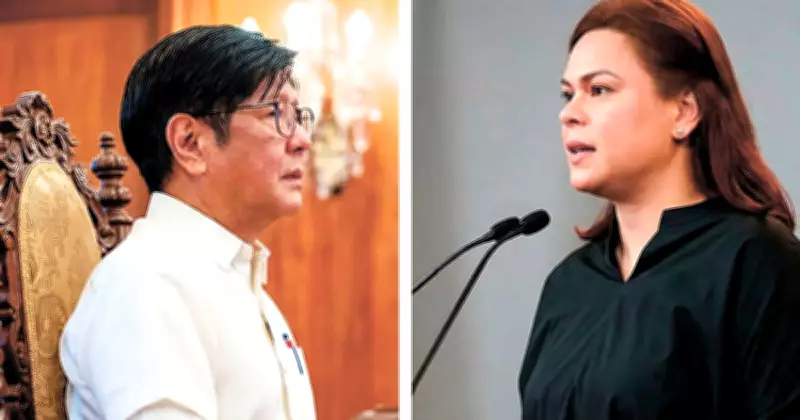
The Philippines is currently grappling with a series of interconnected challenges that demand simultaneous attention and collective effort. These are not minor issues that can be addressed one at a time, but rather complex problems that require unified national action. Unfortunately, intense partisanship has fractured the country into two opposing camps—the Marcos loyalists and the Duterte supporters—where political affiliation often dictates support or opposition to critical national decisions.
The Cult of Personality and Muted Independent Voices
This polarization has reached cult-like dimensions, where followers believe their chosen leaders can do no wrong and equate their interests with the nation's welfare. In this turbulent environment, apolitical and independent-minded Filipinos find themselves marginalized, their voices drowned out by partisan noise and confusion. Even the pragmatic approach of "choosing the lesser evil" offers little solace when the nation feels trapped between difficult alternatives.
Congressional Priorities: Impeachment and Political Dynasties
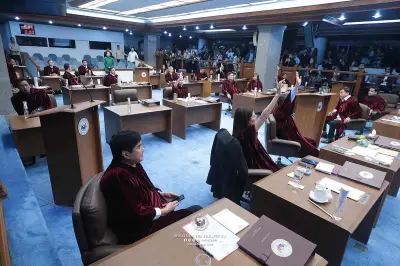
Meanwhile, Congress is advancing two significant measures: the impeachment and trial of Vice President Sara Duterte, and legislation that would institutionalize political dynasties rather than prohibit them. This focus comes even as lawmakers appear to slow down or abandon efforts to address more pressing issues, such as prosecuting massive public fund theft and preventing questionable measures that could entrench political families.

The nation must also prepare for severe economic impacts from the ongoing war in the Middle East and the potential for conflict to reach Philippine shores. This adds to existing economic vulnerabilities, creating what amounts to a triple blow to an economy already reeling from corruption scandals like the flood control fund misappropriation.
Leadership Vacuum and Alternative Solutions
Compounding these challenges is a growing need for alternative leadership—figures untainted by accusations of incompetence, corruption, or other serious offenses. The search for such leaders has become urgent as traditional political structures fail to address mounting crises.
Cristina Frasco's New Role in Building Resilience
In this context, the expertise of Cristina Frasco might prove valuable. Recently removed from her position as Tourism Secretary and appointed as Presidential Adviser for Sustainable and Resilient Communities, the former mayor of Liloan, Cebu, could assist local governments in coping with adversities stemming from the Middle East conflict. However, her role is advisory, lacking direct agency control or administrative oversight of localities.
Local Officials Under ScrutinyThere is growing public sentiment that local officials should demonstrate greater sensitivity during these difficult times. Many citizens are suffering, and officials perceived as engaging in frivolous or tone-deaf behavior, such as excessive social media posting, risk appearing out of touch with public hardships.
The Philippines stands at a critical juncture, where political division, economic threats, and leadership questions converge. Addressing these issues requires moving beyond partisan loyalties and focusing on sustainable solutions for national resilience and progress.