San Fernando Water District Seeks Clarity on PrimeWater Buyout as It Assumes Control
The City of San Fernando Water District (CSFWD) has announced that it is currently awaiting feedback regarding procedural concerns related to the reported 100% buyout of PrimeWater Infrastructure Corporation by Crystal Bridges Holding Corporation, led by Lucio Co, from the Villar group. This development follows a significant executive order issued by the City Government of San Fernando.
Executive Order Halts PrimeWater Operations
On November 17, 2025, Mayor Vilma Caluag of San Fernando issued Executive Order CMO 2025-087, which directed the immediate halt of PrimeWater's operations and mandated the turnover of water services back to the CSFWD. The announcement of the buyout came approximately one month after this order was enacted, raising questions about the transition process.
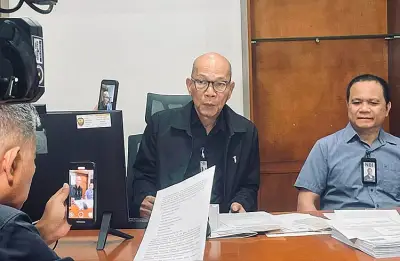
CSFWD General Manager Nelson Lingat explained that the mayor exercised "police powers" in suspending PrimeWater's operations by not renewing its business permit. This action was taken in response to numerous unresolved issues, including alleged poor service, consumer complaints, and violations of the local environmental code. Lingat emphasized that PrimeWater had been given ample time to address these concerns but failed to fulfill commitments under the Joint Venture Agreement (JVA) signed with the water district.

The executive order effectively requested the CSFWD to ensure the continuity of water services to consumers in San Fernando, highlighting the urgency of the situation. As a government-owned and controlled corporation (GOCC), the CSFWD is mandated to take over operations, implement necessary interventions, address consumer concerns, and improve services, even in the absence of clear feedback from the Local Water Utilities Administration (LWUA) regarding the buyout.
Immediate Actions and JVA Details
Lingat noted that there has been no feedback yet from the LWUA on the procedural aspects and transition of PrimeWater. However, the CSFWD has acted swiftly, recognizing that water is an essential resource. Initial measures include scraping the 12% VAT under Republic Act 7109, which PrimeWater had charged, and initiating flushing measures and other interventions in areas with high complaint volumes.
The 25-year JVA between CSFWD and PrimeWater San Fernando, forged between 2016 and 2017, is valued at P2.9 billion. It calls for the rehabilitation of old facilities, construction of new ones such as pumping stations, and management of water distribution. Key provisions of the agreement include:
- Increasing water supply from 1.3 million cubic meters per month to 2.19 million cubic meters per month.
- Expanding service from 43,918 concessionaires to 94,285 concessionaires.
- Implementing a less than five percent increase in rates starting the third year, subject to LWUA review and approval.
- Reducing non-revenue water from 25 percent to 15 percent.
Under this agreement, CSFWD remains a GOCC, while PrimeWater handles operations and financing. However, persistent service failures and unfulfilled obligations led the CSFWD to move for contract termination as early as May of the previous year, during the tenure of the late former GM Jorge Gumba. The local government has also pressured the water district to terminate the JVA due to failed performance standards, including issues with water pressure and supply.
Critical Need for Feedback and Future Steps
Lingat stressed the importance of feedback from the LWUA, noting that the JVA is anchored on capital expenditure and, more importantly, public interest. A change in ownership requires a shared understanding of how existing obligations will be carried out under new management, which is critical to preventing a water supply crisis and ensuring reliable water access for residents, referred to as Fernandinos.
As the CSFWD continues to manage operations, it remains focused on improving services and addressing consumer concerns while awaiting further guidance on the buyout transition. The situation underscores the challenges in public utility management and the need for transparent processes in corporate changes affecting essential services.