Senate Committee Pushes Forward with Comprehensive Housing Reforms
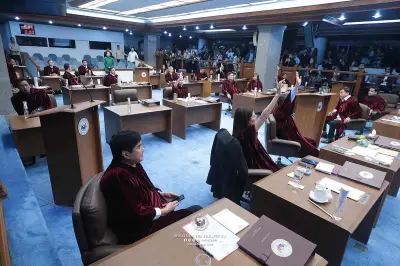
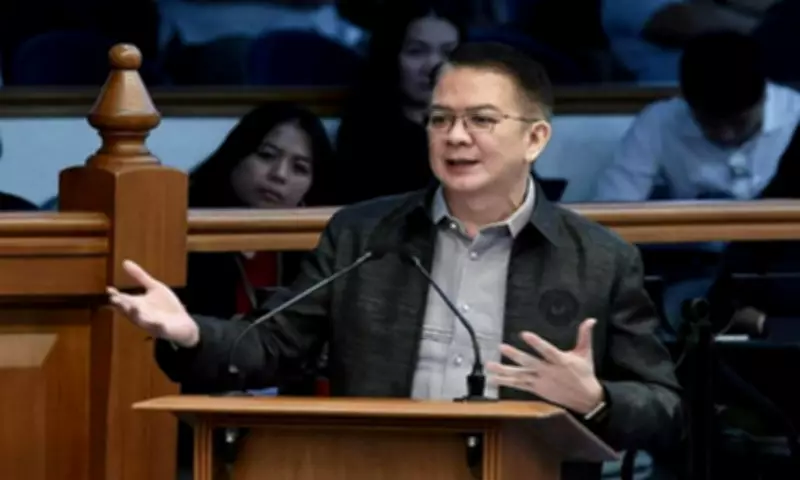
The Senate Committee on Urban Planning, Housing and Resettlement, under the leadership of Senator Francis "Chiz" Escudero, conducted a productive session on Tuesday, March 10, 2026, addressing all 35 bills and resolutions on its agenda. This move reinforces Escudero's steadfast "no backlog" policy within the committees he chairs, demonstrating a commitment to legislative efficiency and progress in tackling the nation's housing challenges.
Key Legislative Measures Approved
Among the significant bills advanced for committee report was Senate Bill No. 934, authored by Senator Jinggoy Estrada. This legislation aims to strengthen the government's authority to expropriate land specifically for socialized housing purposes. Escudero elaborated that the measure proposes amendments to Sections 9, 10, and 11 of the Urban Development and Housing Act (UDHA) of 1992. These changes are designed to empower local government units and housing agencies to identify priority areas, streamline the land acquisition process, and permit the expropriation of idle lands, including residential properties currently under litigation. He emphasized that this bill is a crucial component supporting the administration's Pambansang Pabahay Para sa Pilipino Housing (4PH) Program.
Additionally, the committee approved SB 70, introduced by Senator Rodante Marcoleta. This bill provides a vital exemption for underprivileged and homeless individuals from the required payment of a supersedeas bond to perfect an appeal in ejectment cases. By removing this financial barrier, the measure strengthens legal protections for vulnerable families who are at risk of eviction, ensuring they have a fairer chance to contest their cases in court.

Another notable approval was SB 1863, authored by Senator Bam Aquino, which institutes a loan restructuring and condonation program targeted at socialized and low-cost housing. This initiative is intended to alleviate the financial burden on housing beneficiaries and enhance the sustainability of repayment plans, thereby promoting long-term housing stability for Filipino families.
Modernizing Condominium Regulations
The committee also cleared several measures aimed at amending the Condominium Act (RA 4726). These include SB 235 by Senator Escudero, SB 922 by Senator Estrada, SB 1442 by Senator JV Ejercito, and House Bill No. 2286 co-authored by Representatives Victoria Co-Pilar, Leila De Lima, and others. These proposals seek to modernize the rules governing the dissolution and redevelopment of condominium projects. The updates are expected to ensure safer, more responsive, and better-managed housing options for urban dwellers, addressing evolving needs in densely populated areas.
Scrutiny of Housing Targets and Backlog Data
During the hearing, the committee reviewed the recalibrated housing targets set by the Marcos administration. Instead of the previously announced goal of constructing one million housing units annually, the updated target is now 1.13 million units for the entire presidential term until 2028. According to data presented by the Department of Human Settlements and Urban Development (DHSUD), the current housing backlog is estimated at 2.2 million units, with only 477,000 units delivered to date.
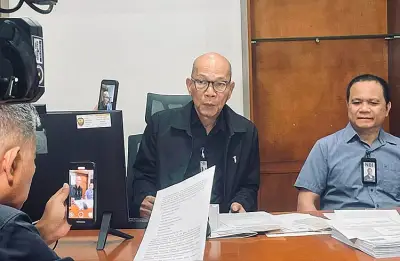
Senator Escudero expressed serious concerns regarding these recalibrated numbers, recalling that former DHSUD Secretary Jose Acuzar had previously cited a much larger housing need of 6.5 million units. He pressed DHSUD officials for clarity, stating, "My problem with recalibrating numbers is that you are just making the books look good… Let us not fool ourselves that our backlog is that small just so that we can say that we accomplished something during our term." His remarks underscored a critical demand for greater transparency and consistency in how the government defines and addresses the country's housing deficit, warning against potentially misleading metrics that could obscure the true scale of the challenge.

Ongoing Deliberations and Future Directions
In addition to the approvals, Senator Escudero directed the consolidation of similar bills to streamline legislative efforts. Several other measures were referred to new subcommittees for more focused deliberation. Among these is Senate Resolution No. 254, filed by Senator Bam Aquino, which calls for an inquiry into the implementation, challenges, and gaps within the government's existing housing and resettlement programs. This resolution aims to identify systemic issues and improve the effectiveness of future housing initiatives.
In his closing statements, the Bicolano lawmaker extended his gratitude to fellow senators, government agencies, and private-sector representatives for their active participation in the hearing. He emphasized that sustained coordination and the use of accurate data are fundamental to crafting effective and impactful housing policies. Escudero affirmed that the committee's decisive action on all pending measures reflects a shared, unwavering commitment to ensuring that every Filipino gains access to safe, affordable, and dignified housing, marking a significant step forward in the nation's urban development agenda.