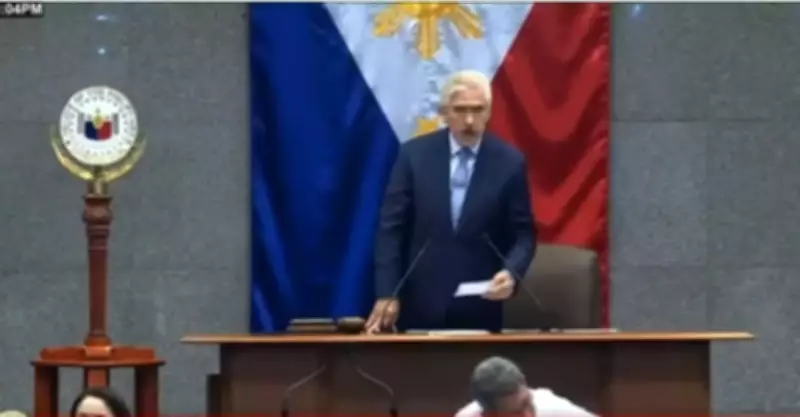
Senate Unanimously Approves Emergency Bill for Fuel Tax Suspension
The Senate has given its approval to Senate Bill 1982, a proposed emergency congressional authorization that empowers President Ferdinand Marcos Jr. to suspend the fuel excise tax. This legislative move is aimed at alleviating the economic strain caused by the ongoing conflict in the Middle East, which has been driving up oil prices globally.
Overwhelming Support in the Senate
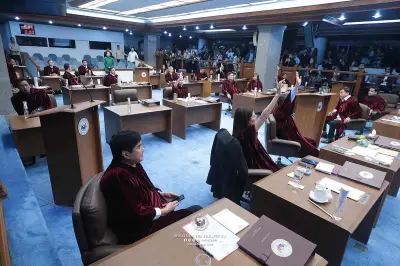
In a decisive vote, 17 senators voted in favor of the bill, with no opposition or abstentions recorded. The Senate bypassed the standard three-day rule and implemented the measure immediately after President Marcos certified the bill, highlighting the urgency of the situation.
Contrast with House Version
This Senate version differs from the House of Representatives' House Bill 8418, which was approved earlier in the week. The House bill requires the president to declare a state of national emergency or calamity to justify any suspension or reduction of the excise tax on petroleum products, adding an extra layer of procedural oversight.

Senators Voice Support and Concerns
Senator Sherwin Gatchalian explained his affirmative vote, stating that the public needs immediate relief due to the continuous surge in oil prices. "This bill provides crucial assistance to Filipinos during these challenging times," he emphasized.
Senator Risa Hontiveros echoed this sentiment, noting that the proposed legislation offers temporary relief to Filipino commuters and small business owners who are grappling with rising fuel costs.
However, Senator Pia Cayetano, chairman of the Senate committee on ways and means, raised a significant concern. She warned that suspending the fuel excise tax could result in a substantial loss of government revenue, potentially amounting to up to P136 billion. This financial impact underscores the delicate balance between providing economic relief and maintaining fiscal stability.
Broader Implications
The approval of this bill reflects the government's proactive approach to addressing external economic shocks. By allowing the suspension of the fuel excise tax, policymakers aim to cushion the blow of geopolitical tensions on everyday Filipinos, particularly those in transportation and small-scale industries.
As the situation in the Middle East continues to evolve, this legislative action sets a precedent for how the Philippines might respond to similar crises in the future, prioritizing immediate public welfare while navigating complex fiscal challenges.