The Enduring Legacy of Philippine Statesmen: A Moral Compass in Turbulent Times
In the quiet moments of family dinners, a young boy would hear names spoken with reverence: Cesar Virata, Jovito Salonga, Blas Ople. These figures, described as "statesmen" by his father, were held in esteem akin to heroes, though their faces remained unknown to the child. Today, as allegations of corruption swirl around the highest echelons of Philippine government, the profound contributions of these three men serve as a stark reminder of what true public service entails.
Pillars of Integrity and Vision
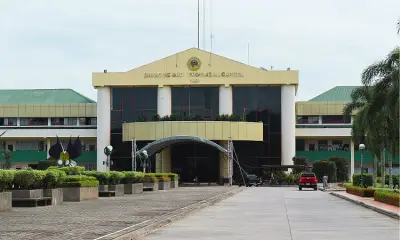
Now 96 years old, Cesar Virata is celebrated as the Philippines' premier technocrat. Serving as the nation's fourth Prime Minister and its longest-tenured Minister of Finance under former President Ferdinand E. Marcos, Sr., Virata implemented key fiscal policies as chief of the National Economic Development Authority. His influence extended globally through high-ranking roles at the World Bank and Asian Development Bank. The University of the Philippines College of Business Administration was renamed the Cesar E.A. Virata School of Business in honor of his unwavering professional integrity and visionary leadership.
Blas Ople, affectionately known as "Ka Blas," is immortalized as the "Father of the Philippine Labor Code." This landmark legislation unified labor laws and fortified worker protections. Ople also architected the Overseas Employment Program, establishing the Philippine Overseas Employment Agency and the Overseas Workers Welfare Administration. His distinguished career included serving as Senate President, contributing to the drafting of the 1987 Constitution, and representing the Philippines internationally as Secretary of Foreign Affairs and President of the International Labour Conference.

Jovito Salonga emerged as a titan of Philippine jurisprudence, regarded as the nation's moral compass during its most politically charged eras. Severely injured in the 1971 Plaza Miranda bombing, Salonga demonstrated resilience. As Senate President, he championed national sovereignty by leading the rejection of the R.P.-U.S. Bases Treaty in 1991, reshaping diplomatic relations. As the inaugural chairman of the Philippine Commission on Good Government, he tenaciously pursued the recovery of ill-gotten wealth and authored pivotal laws like the Anti-Plunder Law and the Code of Conduct for Public Officials.
A Stark Contrast to Current Controversies
In light of corruption allegations facing current high-ranking officials, the standards set by Virata, Ople, and Salonga illuminate the essence of genuine statesmanship. These men executed their mandates with the highest ethical standards, viewing public office as a sacred trust to be protected at all costs. Their brilliance and work ethic were matched by an unwavering moral code, driven by a selfless desire to uplift fellow Filipinos rather than personal gain.
They understood that institutions derive strength from the values of their leaders. When public office loses credibility, systems designed to serve the people become vulnerable to exploitation. This principle stands in sharp relief against the ongoing flood control controversy, where billions of pesos were allegedly diverted to personal bank accounts through kickbacks.
The Tip of the Corruption Iceberg
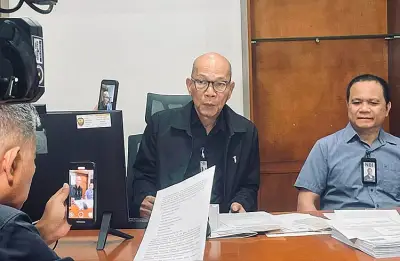
Public Works and Highways Secretary Vice Dizon has indicated that the flood control fiasco is merely the beginning. With over 100,000 infrastructure projects requiring validation, Dizon anticipates uncovering more anomalies. Appointed less than a year ago, he and his team have encountered corrupt transactions at nearly every turn, revealing how deeply embedded corruption is within the bureaucracy.
At this critical juncture, with international scrutiny focused on the Philippines, the nation urgently needs statesmen to rise and combat those eroding societal foundations. This demands a concerted effort from local chief executives, congressmen, and senators to champion accountable, transparent governance and address systemic corruption at its roots.

A Call to Action Inspired by Giants
Virata, Ople, and Salonga exemplify the true statesman: one who thinks beyond electoral cycles, acts with moral authority and restraint, and prioritizes national unity, even at personal or political cost. Their legacies offer a blueprint for current leaders to emulate. As the Philippines grapples with corruption scandals, the question echoes: Will the real statesmen please stand up?