Digital Cash Aid Transition Faces Forgery Risks as DSWD Pushes E-Wallets
The Presidential Communications Office (PCO) has highlighted that the transition to digital disbursement for government cash aid programs remains fraught with challenges, primarily due to risks of forgery and falsification. This announcement comes as the Department of Social Welfare and Development (DSWD) proposes replacing physical cash distribution with e-wallets or digital banking solutions to enhance cost-effectiveness and safety.
Tragedy Sparks Urgency for Digitalization
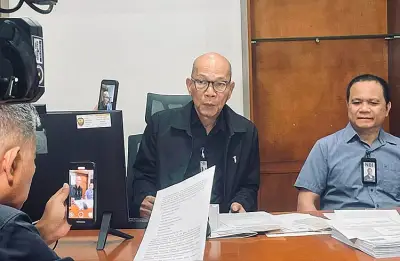
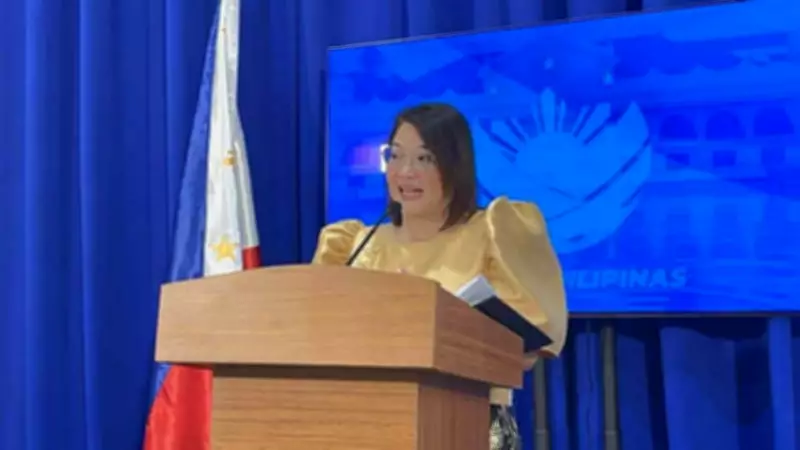
The proposal gains urgency following a tragic incident on March 11, 2026, in Barangay Banilad, Mandaue City, where a 31-year-old mother of four collapsed and died while lining up for a validation process for the DSWD Emergency Cash Transfer (ECT) program. During a press briefing on March 17, 2026, at the Bagong Pilipinas Studios Visayas in Cebu City, PCO Undersecretary Claire Castro expressed Malacañang's condolences to the victim's family and confirmed that the DSWD would provide burial and other forms of assistance.
DSWD Fast-Tracks Digital Disbursements
Castro revealed that DSWD Secretary Rex Gatchalian informed her of the incident on March 16 and confirmed the agency is fast-tracking the digitalization of disbursements. However, she noted significant gaps in validating beneficiaries during disasters. Unlike the Pantawid Pamilyang Pilipino Program (4Ps), which relies on a scrutinized and fixed database, emergency programs like the ECT depend on temporary and evolving lists.

"When it comes to disasters, like the issues we are facing now where our citizens need assistance, there are different categories, and the people on the list are not permanent," Castro explained. In disaster scenarios, local governments and field officers must quickly identify beneficiaries, often without centralized records, making the system prone to duplication, exclusion, or manipulation.
Preventive Measures and Fraud Warnings
To prevent similar tragedies, Castro urged beneficiaries, particularly those with illnesses, to refrain from physically lining up. She noted that they may send representatives with authorization letters and valid identification to process claims. However, she issued a stern warning against fraud, appealing to fellow Filipinos not to abuse or deceive the government and countrymen by using fake authorization letters or IDs.
"Please do not scam our fellow Filipinos who truly need assistance from the government," she emphasized. The DSWD's push for digital solutions aims to streamline aid delivery while addressing these vulnerabilities, but the transition requires careful management to mitigate risks and ensure aid reaches those in genuine need.