Former Mayor's Daughter Arrested and Released in Bohol Cyber-Libel Case
In a significant legal development in Bohol, authorities have executed an arrest warrant against the daughter of a former municipal mayor, who is accused of committing cyber-libel. The incident highlights the ongoing enforcement of laws against online defamation in the Philippines.
Arrest and Immediate Release
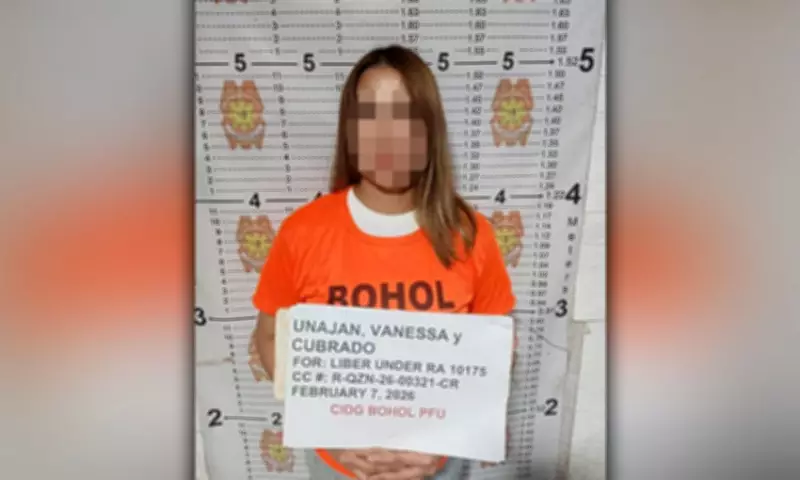
On Saturday evening, February 7, 2026, at approximately 6:00 PM, law enforcement officers from the Criminal Investigation and Detection Group (CIDG) Bohol Provincial Field Unit, in coordination with the Provincial Intelligence Unit of the Bohol Police Provincial Office, apprehended Vanessa Cubardo Unajan, a 40-year-old resident of Colorado Homes in Baclayon, Bohol. The arrest was carried out at her residence based on a warrant issued for libel charges.
However, the detention was short-lived, as Unajan was released later that same night at around 10:00 PM after posting bail amounting to P48,000. This swift release underscores the procedural aspects of the Philippine judicial system, where bail can be granted promptly upon meeting financial requirements.

Legal Basis and Accusations
The warrant for Unajan's arrest was issued by Honorable Judge Cherry Chiarra Luat Hernando, the Presiding Judge of the Regional Trial Court (RTC) National Capital Judicial Region Branch 93 in Quezon City. The document was dated January 26, 2026, and pertains to a case of libel under Republic Act 10175, also known as the Cybercrime Prevention Act of 2012.
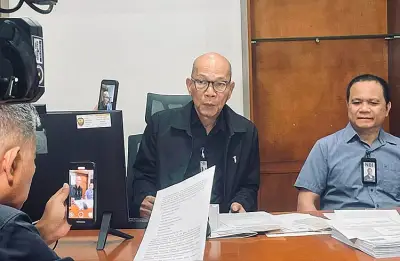
The charges were filed by Bohol 2nd District Representative Maria Vanessa "Vanvan" Aumentado, who alleged that Unajan damaged her reputation through social media posts. According to Atty. Lord "Popot" Marapao, the congresswoman's legal counsel, the posts in question were deemed "below the belt" and excessively harmful, leading to the filing of a cyber-libel complaint with the Quezon City prosecutor's office.
Background and Political Context
Vanessa Cubardo Unajan had previously entered the political arena, running for a councilor position in Pilar, Bohol, during the 2025 midterm elections but was unsuccessful in her bid. This arrest adds a layer of complexity to her public profile, linking her legal troubles to her political aspirations.
Atty. Marapao explained that the prosecutor's office found probable cause in the case, which allowed it to proceed to court and ultimately resulted in the issuance of the arrest warrant. He emphasized that the court's order mandated the apprehension of Unajan as part of due legal process.
Law Enforcement Efforts
The arrest operation was conducted under the CIDG's flagship program, Oplan Pagtugis, which focuses on tracking and apprehending individuals with pending arrest warrants. This initiative aims to enhance public safety and ensure that legal mandates are enforced efficiently across the country.
In related statements, Atty. Marapao mentioned that employees at the Bohol Capitol had accused Unajan of engaging in trolling activities and threatened further legal action. This suggests that the case may have broader implications for online behavior and political discourse in the region.
As the legal proceedings continue, this case serves as a reminder of the serious consequences of cyber-libel in the Philippines, particularly when it involves public figures and elected officials. The interplay between social media, politics, and the law remains a critical issue in today's digital age.