The impeachment landscape surrounding Vice President Sara Duterte has become far more political than legal. In an impeachment court, the apparent emergence of a more Duterte-friendly Senate bloc naturally changes the calculations.
Senate Leadership Shifts
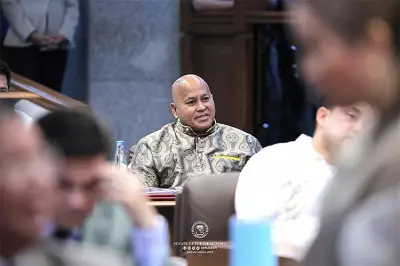
The resurgence of Senator Bato Dela Rosa added color to the drama at the Senate, compelling a change in leadership and numbers in the Upper House. The once-majority bloc headed by then-Senate President Tito Sotto is now the minority after Senator Alan Peter Cayetano took over the Senate presidency.
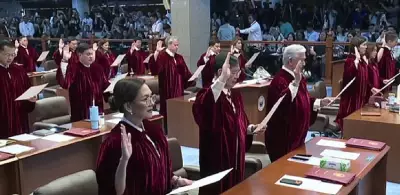
As Senate President, Cayetano now presides over the impeachment court. His supporters argue he is right for the post, being a lawyer. On Monday, May 18, 2026, Cayetano immediately convened the Senate as an impeachment court after receiving the Articles of Impeachment against VP Duterte from the Lower House.

Concerns Over Impartiality
If senators are perceived as deciding before evidence is presented, the public may begin questioning whether the impeachment court is still a court or merely an extension of partisan power. The real impeachment trial may have already begun, not against Sara Duterte, but against the credibility and independence of the Senate itself.
Realities of the Impeachment Process
Wild and persistent speculations of an imminent acquittal of impeached VP Sara Duterte may still be a premature conclusion. Several realities are worth considering:
Political Nature of Impeachment
An impeachment trial is a political proceeding. Unlike ordinary criminal cases, senators sitting as impeachment judges are never insulated from political considerations. Public opinion, alliances, elections, future ambitions, and pressure from power blocs all come into play. This means that today's majority is not always tomorrow's final vote. A senator may publicly support the Duterte bloc, privately remain undecided, or strategically wait to see where public sentiment moves. Many senators also know that history remembers impeachment votes; some may not want to be seen as rubber stamps.
Survival and Negotiations
The strongest factor may not be loyalty but survival. Some senators or political allies are facing criminal and administrative cases related to infamous flood control projects. Others are under investigation for their trade and business transactions. In our brand of politics, negotiations often happen quietly, involving committee posts, budget priorities, protection from investigations, or future endorsements. This creates a fluid situation. Political alliances here are famously transactional rather than ideological. Theoretically, some senators could shift positions if political circumstances change significantly. Of course, proving an outright quid pro quo could be difficult.
Public Mood Matters
The public mood still matters a lot, especially when the evidence presented by the prosecution during the trial becomes apparent and strong. Senators may reconsider. The impeachment trial is televised, media stories and views evolve daily, and business groups, the Church, civil society, and local officials can influence momentum. A weak case could collapse quickly, but a strong evidentiary presentation can also reshape political calculations. The turning point often comes not before the trial but during the hearings.
Possibility of Resignation
On the possibility that VP Sara resigns before conviction, the constitutional question becomes politically interesting. Under our Constitution, the President nominates a replacement Vice President from among the members of Congress, subject to confirmation by a majority vote of both Houses voting separately. This means that the high hopes of Senate President Alan Peter Cayetano of becoming the next vice president are still very uncertain. Cayetano could become a strong contender if he has the confidence of President BBM, which I seriously doubt, or if he is acceptable to his colleagues in both Houses and if he is seen as a political stabilizer. But there could be other names, so his chances are slim.

Political Realignment Ahead of 2028
The deeper issue is the political realignment ahead of the 2028 presidential elections. What we are likely witnessing now is not merely an impeachment battle but an early positioning for the 2028 polls. A practical and tactical politician would be calculative as to who controls the Senate, who inherits the Duterte vote, who becomes the administration candidate, and who survives the next coalition reshuffle, if there would be another one in the Senate. The impeachment issue is no longer just about the guilt or innocence of impeached VP Sara; it has become a test of loyalties, ambition, and succession politics all at once.
Politically, moments like the Senate walkout or drama are often remembered more vividly by the public than procedural arguments or legal technicalities. That is why alliances today may still change several times before any final impeachment vote. In our kind of politics, permanence is rare. Convenience often governs alliances more than loyalty, as evidenced by the current political episode in the Upper House.