A recent incident involving a high-profile political figure at one of the Philippines' most sacred sites has ignited a fierce debate about privilege, power, and respect for cultural and religious norms. Senator Imee Marcos is facing public criticism for reportedly failing to adhere to the strict dress code inside the Basilica Minore del Santo Niño in Cebu.
Sacred Site Rules Disregarded
The Basilica Minore del Santo Niño de Cebu stands as a cornerstone of faith for millions of Filipino Catholics, particularly Cebuanos. It is universally recognized as a sacred space dedicated to silence, reverence, and prayer. As such, all visitors, regardless of status, are expected to follow the established rules without question. These guidelines include a modest dress code intended to preserve the sanctity of the environment.
Reports indicate that Senator Marcos was seen within the Basilica wearing attire that did not comply with these regulations. This action is viewed not merely as a minor oversight but as a clear breach of both the Basilica's policies and the unwritten contract of respect shared by the faithful who visit.

The Culture of Privilege Under Fire
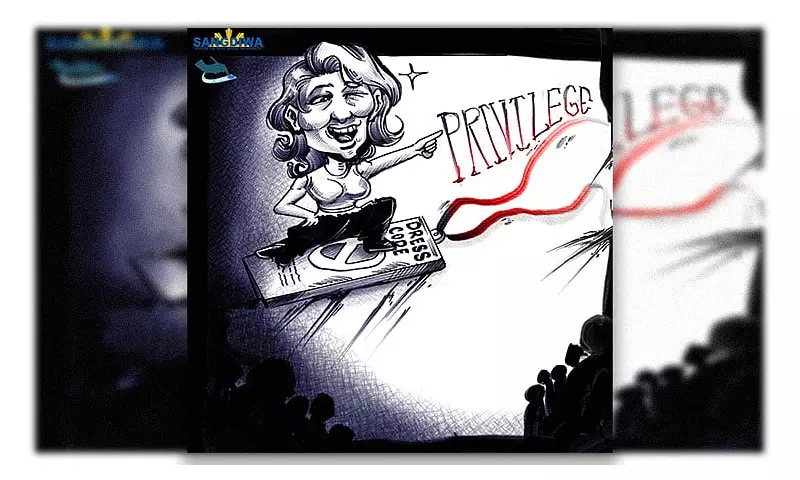
The core of the controversy lies in the perceived application of a double standard. Senator Imee Marcos holds a position of significant influence as a senator and a member of a prominent political family. The incident raises a critical question: does such status grant a license to ignore rules that bind ordinary citizens?
Commentators like Emanuel Dabon of UC Sangdiwa argue that overlooking such behavior "becomes a symbol of a rotten culture of privilege." The implication is that when laws and social codes are seen as optional for the powerful, it undermines the very principle of equality. It sends a damaging message that accountability is tiered, based on one's name or political position.
Community Reaction and Broader Implications
The backlash extends beyond the immediate dress code violation. For many, the act is an insult to the Church and the community that diligently upholds traditions and respect for holy places. The Basilica is not a political stage or a venue where temporal power holds sway; it is a communal space for spiritual reflection.
This event, noted on January 17, 2026, taps into a larger societal conversation in the Philippines about fairness and the abuse of influence. It challenges the notion that public officials are above the communal values they are sworn to serve and protect. The call is for a standard of conduct that applies equally to all, reinforcing that in spaces of faith, the only hierarchy is one of shared humility and devotion.
Ultimately, the incident at the Basilica Minore del Santo Niño serves as a potent reminder. True leadership is demonstrated not by the privileges one can claim, but by the respect one shows to the institutions, traditions, and dignity of the people.