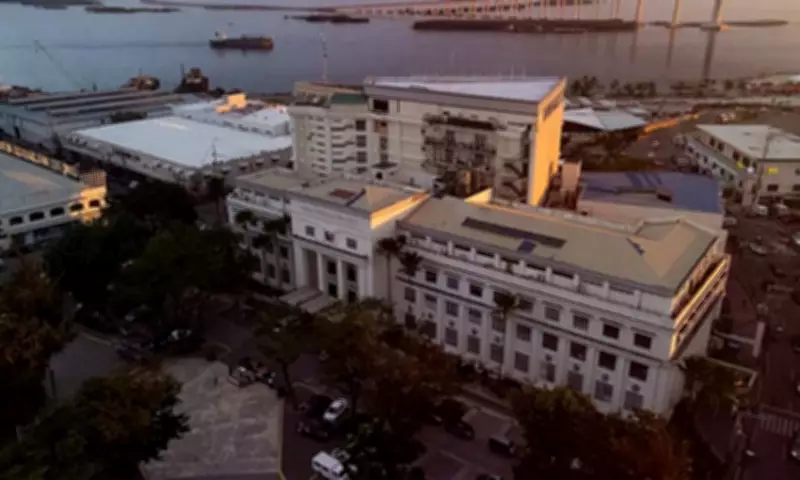
The Cebu City Council committees on health, hospital services and sanitation, and public order have recommended the approval of a proposed ordinance with major amendments that would prohibit the sale and service of alcoholic beverages to obviously intoxicated persons. Authored by Councilor Harold Kendrick Go, the measure seeks to curb alcohol-related violence and road safety risks by requiring bars, restaurants, and retail outlets to refuse further service to customers showing clear signs of intoxication.
Key Provisions of the Ordinance
The ordinance defines clear signs of intoxication, including slurred speech, unsteady movement, confusion, aggressive behavior, or vomiting. In a committee report, lawmakers stressed that the ordinance does not ban alcohol consumption but regulates responsible service practices under the police power of the city. The committees cited the 1987 Constitution, the Local Government Code, and Republic Act (RA) 10586, noting that the measure complements national efforts to reduce road crashes.
Under the draft ordinance, establishments must implement responsible beverage service standards, including staff training on identifying intoxication, posting warning signage, and maintaining refusal-to-serve protocols. Liability also extends to owners and managers if they knowingly allow violations or fail to exercise reasonable supervision over their staff and premises.

Penalties and Legal Safeguards
Servers and establishments that knowingly continue serving alcohol to intoxicated individuals face administrative sanctions and criminal penalties ranging from PHP 2,000 to PHP 5,000 or imprisonment of up to one year. While the committees found the ordinance generally valid, they flagged potential legal vulnerabilities regarding due process and arbitrary enforcement. Citing Supreme Court rulings, the report warned that vague standards could lead to abuse if authorities rely solely on suspicion or appearance.
Lawmakers raised concerns that indicators of intoxication could be misapplied against persons with disabilities or those with medical conditions affecting speech and mobility. They recommended an explicit safeguard ensuring such conditions cannot serve as the sole basis for enforcement. To prevent misuse, the committees proposed a structured complaint mechanism requiring verification and supporting evidence before any government sanction is imposed.
Complaint and Data Privacy Measures
Anonymous complaints would serve only as leads for validation rather than standalone bases for penalties under the proposed revisions. The report also emphasized compliance with the Data Privacy Act, directing that incident records must be minimal, securely stored, and accessed only by authorized personnel. Furthermore, the committees pushed for stronger due process in administrative cases, including clearer notice requirements and an appeal mechanism through the Business Permits and Licensing Office.
Public Safety Context
The committee stated the ordinance responds to a demonstrable public safety concern, citing data from early 2025 that showed over 1,200 road accidents with dozens of fatalities linked to alcohol consumption. The measure targets a critical intervention point by preventing further service to intoxicated individuals without banning alcohol sales outright. If approved, the ordinance would apply to all establishments in the city, marking a comprehensive attempt to regulate responsible alcohol service.