The Regional Alternative Child Care Office-Davao Region (Racco-Davao) is calling on families caring for children without legal adoption documents to finalize the proper adoption process. The agency stresses that legal adoption is essential to protect a child's identity, rights, and future prospects.
Legal adoption secures child's future
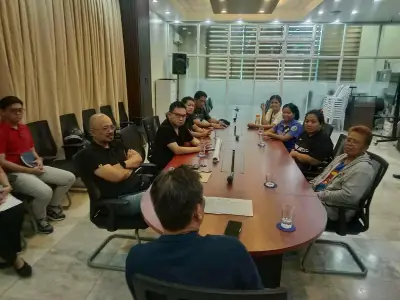
During the Kapehan sa Dabaw event at SM City Davao Annex on June 22, 2026, Racco-Davao emphasized the importance of legal adoption for newborns, foundlings, and children under substitute parental care. The process provides legal recognition and protection for children within their adoptive families.
“If you truly love and care for the child, then you should think of the legal process because it secures the child’s future,” said Atty. Kristelle May Cagatin, legal officer of Racco-Davao.

Rights and protections under legal adoption
Cagatin explained that legal adoption grants parental authority, legitimacy, and succession rights to children. This allows them to enjoy the same legal protections and inheritance rights as biological children. Children raised by families without undergoing legal adoption may face complications involving inheritance, family relations, and legal recognition after the death of their adoptive parents.
The agency also promoted Republic Act 11767, or the Foundling Recognition and Protection Act, which recognizes and protects the rights of foundlings and abandoned children by ensuring their legal identity and access to government services.
Foster care as a temporary alternative
Racco reiterated the importance of foster care as a temporary alternative for children who cannot remain with their biological families. The agency reported that 50 licensed foster parents are currently caring for 63 foster children across the Davao Region.
Under the Foster Care Act of 2012, foster parents must be of legal age, possess good moral character, be physically and emotionally capable of caring for a child, and be willing to undergo continuous training and assessment.
Foster care provides children with a safe family environment while awaiting reunification with their biological families, adoption, or other permanent care arrangements.
Call for stronger local support
The agency is encouraging local government units to strengthen foster care programs to ensure that more children, including abandoned newborns and children in need of special protection, are provided with safe and nurturing homes.
Officials emphasized that every child deserves a family and that legal adoption remains one of the most effective ways to secure a child's rights, welfare, and long-term future.