DSWD-Davao's Pag-Abot Program Records Sharp Rise to 189 Beneficiaries in 2025
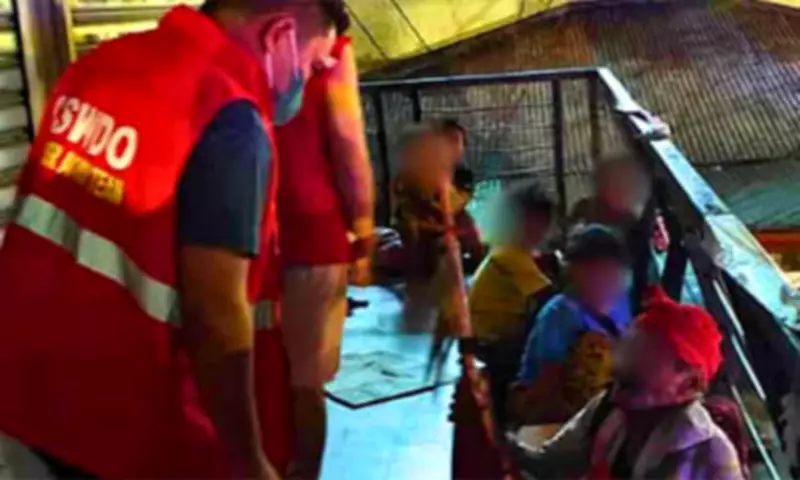
The Department of Social Welfare and Development–Davao Region (DSWD–Davao) has reported a significant expansion in its outreach efforts, with the Pag-Abot Program assisting approximately 189 individuals in 2025. This marks a substantial increase from the mere five beneficiaries served in 2024, highlighting a more proactive approach to social welfare in the region.
Proactive Outreach Drives Beneficiary Growth
Jaime V. Donggon, a social welfare officer at DSWD–Davao, attributed this remarkable surge to the department's enhanced, hands-on strategy in personally engaging with potential beneficiaries. In 2024, Davao City functioned primarily as a receiving region, but the shift to active outreach has yielded tangible results. Donggon explained during the Kapehan sa Dabaw event at SM City Davao on Monday, February 9, that seasonal factors, such as Indigenous Peoples (IPs) descending to the city during holidays like Christmas, have contributed to the rising numbers. This demographic shift underscores the program's responsiveness to community needs.
Reintegration Efforts and Community Focus
Rovie Love Joy Belaya, another social welfare officer, provided detailed breakdowns of the beneficiaries. Among the 189 individuals assisted, 28 were successfully reintegrated into Davao del Norte, while 56 found support in the Caraga Region. Notably, 142 of the beneficiaries hailed from Indigenous Peoples communities, with some having migrated to Davao City for mendicancy, often citing past allowances for such practices. Belaya emphasized the severe risks faced by those remaining on the streets, prompting close collaboration with the City Social Welfare and Development Office and law enforcement to educate individuals about the dangers of busy urban areas.

Legal Framework and Ongoing Support
The DSWD also informs beneficiaries about Presidential Decree No. 1563, the Anti-Mendicancy Law, which aims to protect children from exploitation and promote rehabilitation for mendicants. Following reintegration, DSWD–Davao strengthens partnerships with local government units and social welfare offices to ensure sustained support. Monthly monitoring of livelihood programs involves personnel from DSWD, LGUs, and barangay officials, fostering a community-based approach to long-term assistance.
About the Pag-Abot Program
The Pag-Abot Program stands as one of DSWD's flagship initiatives, designed to aid vulnerable individuals, children, and families living on the streets. It targets Children in Street Situations (CISS), unattached adults, the elderly reliant on public spaces, and homeless families displaced by events like fires, demolitions, family crises, or migration driven by false hopes of better opportunities. The program offers comprehensive support, including:
- P10,000 in financial aid for basic needs during transit.
- An additional P10,000 for urgent medical requirements.
- Coverage of transportation costs, such as hauling belongings and rebooking fees.
- Up to P100,000 in livelihood support, disbursed in tranches based on assessments.
- Employment assistance, psychosocial support, and community grants.
This multifaceted approach underscores DSWD–Davao's commitment to addressing root causes and providing holistic care for marginalized populations in the region.