The Southern Philippines Medical Center (SPMC) is intensifying its information campaign for its Deceased Organ Donation Program after recording only one organ donor in 2025.
Low donor numbers prompt action
Dr. Dennis Benjamin O. Geli, medical officer of the SPMC SHARE Team, said that many people remain unaware of the program, leading to a low donation rate. In 2024 and preceding years, the hospital recorded zero deceased organ donors. One case occurred during the COVID-19 pandemic in 2021, and as of the second quarter of 2026, no deceased organ donations have been recorded.
Geli emphasized that a single donor can save or improve the lives of several patients through organ transplantation. Organs such as the kidneys, liver, heart, and lungs can be transplanted. Kidneys are in especially high demand, with many patients dying while waiting for a transplant.

Cultural and religious barriers
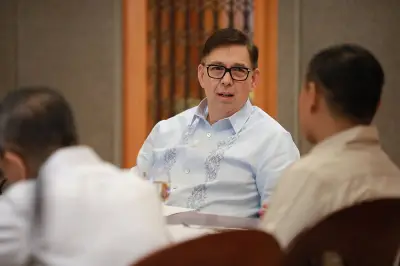
According to Geli, families of brain-dead patients often decline organ donation because they believe it goes against their religious beliefs or cultural traditions. "With deceased organ donation, a person can donate organs after death to help others. But I think organ donation remains taboo for some people, and that's our biggest challenge," Geli said during Kapehan sa Dabaw on Monday, June 29, at SM City Davao.
Time sensitivity of organ transplants
Geli also highlighted the time-sensitive nature of organ donation. After a donor dies, kidneys must be transplanted within 48 hours, the liver within 12 to 15 hours, the lungs within six hours, while the heart must be transplanted immediately.
Legal framework and local initiatives
The Philippines institutionalized organ donation through Republic Act No. 7170, or the Organ Donation Act of 1991, which allows all or part of a person's body to be donated after death for medical education, research, therapy, or transplantation. In Davao City, the City Council has also approved an ordinance institutionalizing organ donation and promoting greater public awareness. The measure seeks to foster a culture of organ donation to help save lives.
Geli said he hopes more individuals and families will become open to deceased organ donation and place their trust in healthcare professionals and medical institutions.