NBI Files Cyber Libel Charges Over Alleged Spread of Fake Marcos Medical Records
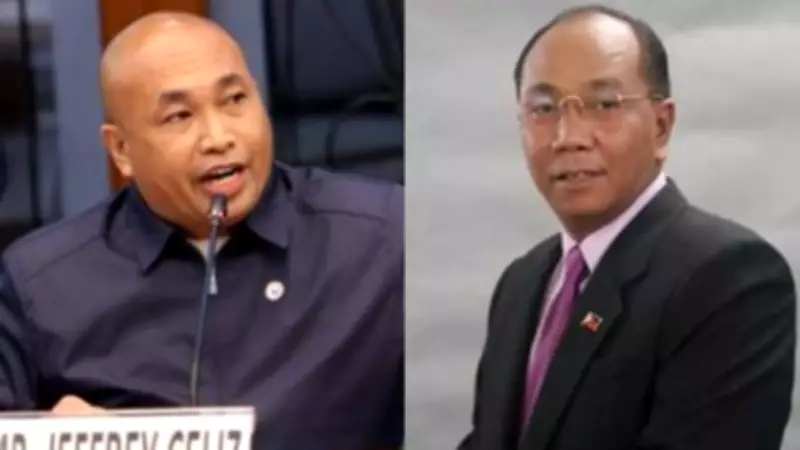
The National Bureau of Investigation (NBI) has formally lodged cyber libel and related complaints with the Department of Justice against media personalities Jay Sonza and Jeffrey Celiz, widely known as "Ka Eric Celiz." The charges stem from their alleged involvement in disseminating fabricated medical records of President Ferdinand Marcos Jr., which falsely questioned his health and fitness for office.
Investigation Uncovers Digital Evidence
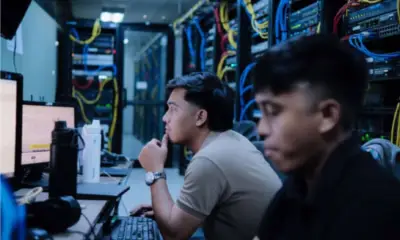
According to the NBI, its Cybercrime Division conducted extensive cyber-surveillance operations in January 2026. Investigators identified posts from January 28 and 29 that contained purported CT-scan reports and images of the President. These materials insinuated that his medical condition was deteriorating, thereby casting doubt on his ability to perform his duties. Although some of the posts were later deleted or restricted, digital forensics experts preserved the evidence, tracing its spread across various social media platforms and YouTube.
Legal Basis for the Charges
The NBI has recommended filing the case under Section 4(c)(4) of Republic Act No. 10175, also known as the Cybercrime Prevention Act of 2012, which addresses online libel. Additionally, the complaint cites Article 154 of the Revised Penal Code, related to unlawful use of means of publication. NBI Director Angelito Magno emphasized that while freedom of expression is protected, it should not be exploited to spread false or damaging information that can harm individuals and erode public trust.

Implications for Media and Public Discourse
This case highlights the ongoing challenges in balancing free speech with the prevention of misinformation in the digital age. The NBI's action underscores the legal consequences of spreading unverified claims, particularly those targeting public figures. As the investigation proceeds, it may set a precedent for how similar cases are handled, reinforcing the importance of accountability in online communications.