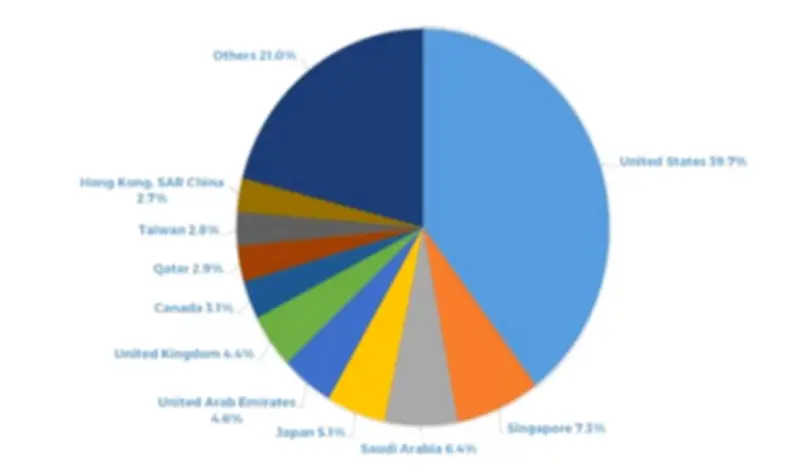
Cash remittances from Overseas Filipinos rose to US$2.7 billion in April 2026, extending their steady growth despite challenging global economic conditions and continuing to provide crucial support to Filipino households, according to the Bangko Sentral ng Pilipinas (BSP).
Remittance Inflows Remain Resilient
The BSP said remittance inflows remained resilient as overseas Filipino workers continued to send money home to support their families' daily needs, education, healthcare, and other expenses. The sustained growth in remittances also helped underpin domestic consumption, a key driver of the Philippine economy.
April 2026 Data
Cash remittances coursed through banks reached US$2.718 billion in April, up 2 percent from the same month last year. This brought cumulative cash remittances for the first four months of 2026 to US$11.4 billion, a 2.6-percent increase from a year earlier.

Top Sources of Remittances
The United States remained the largest source of remittance inflows, followed by Singapore and Saudi Arabia, reflecting the continued concentration of remittance flows from countries with large Filipino migrant communities. The BSP noted, however, that U.S.-based remitting and correspondent banks account for a significant portion of transactions, meaning the data do not necessarily indicate where the funds were originally earned.
Personal Remittances Also Rise
Meanwhile, seasonally adjusted personal remittances, which include cash transfers through formal and informal channels as well as remittances in kind, also increased in April, underscoring the enduring role of overseas Filipinos in sustaining household finances and consumer spending. Personal remittances totaled US$3.3 billion in April, bringing the January-to-April total to US$13.3 billion, according to BSP data.
Economic Significance
Economists closely monitor remittance trends because they help support the country's foreign exchange reserves, strengthen domestic demand, and cushion many families from economic pressures. With remittance growth holding steady, overseas Filipinos continue to serve as a vital pillar of the Philippine economy.