Social media platforms are buzzing with a new culinary controversy as TikTok users have taken to creating their own budget-friendly versions of the viral Dubai chewy cookie. This dessert, which traditionally features a rich combination of pistachio cream and kataifi wrapped in melted cocoa-flavored marshmallow, has gained immense popularity but often comes with a hefty price tag when purchased from specialty shops.
The Noodle Substitution Phenomenon
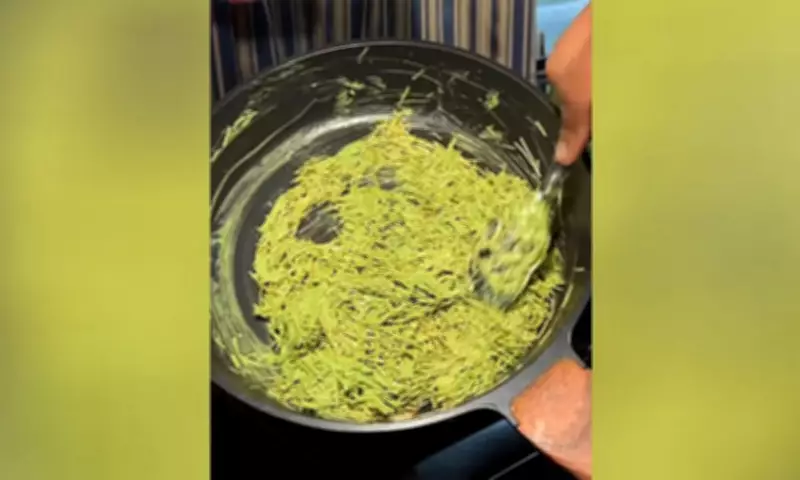
In an effort to replicate the dessert at home without breaking the bank, some innovative creators have made a surprising substitution: replacing the traditional kataifi with dried noodles such as misua or sotanghon. This unconventional twist has sparked a wave of experimentation across the platform, with users sharing their attempts to mimic the original treat's texture and flavor.
From Satire to Serious Attempts
Initially, many of these noodle-based creations were viewed as humorous satire, poking fun at the extravagant nature of the original dessert. However, as the trend gained momentum, some participants began to argue that lightly toasted noodles can actually provide a satisfying crunch that closely resembles the traditional kataifi. This shift in perception has turned what started as a joke into a legitimate culinary hack for many home cooks.

Mixed Reactions from the Online Community
The trend has drawn polarized responses from viewers and food enthusiasts alike. Critics have voiced their disapproval, claiming that altering the authentic recipe diminishes the dessert's cultural integrity and unique characteristics. On the other hand, supporters have praised the creativity and accessibility of these homemade versions, highlighting how they make an otherwise expensive treat available to a wider audience.
As the debate continues to unfold on TikTok and other social media platforms, it remains to be seen whether this noodle-based adaptation will become a lasting trend or fade away as a passing fad. Regardless, it has certainly succeeded in capturing the attention of food lovers and sparking conversations about innovation versus tradition in the culinary world.