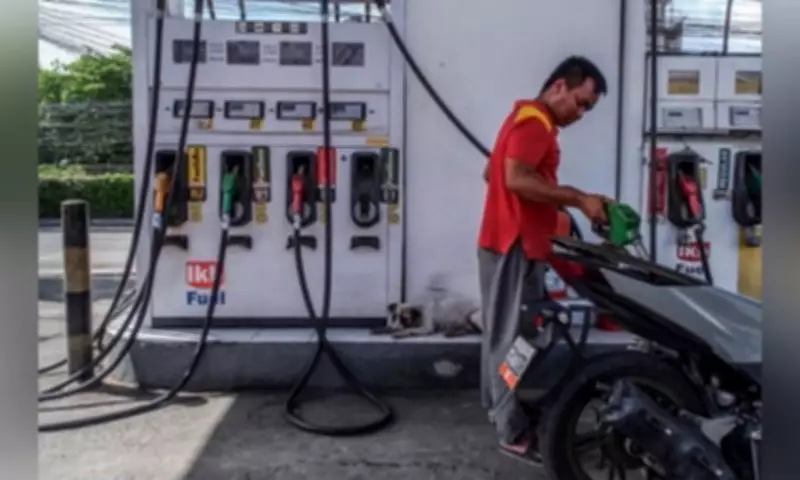
Persistent pain at the pump continues to burden consumers and businesses alike, with elevated fuel prices prompting major Philippine business organizations to rally behind government efforts aimed at securing oil sourcing and ensuring price stability. As geopolitical tensions in the Middle East threaten to disrupt global supply chains, these groups have issued a unified call for immediate action to shield the nation's economy from further volatility.
Joint Statement from Leading Business Organizations
In a significant move on Monday, March 30, 2026, five prominent business groups—the Federation of Philippine Industries, Makati Business Club, Management Association of the Philippines, Philippine Chamber of Commerce and Industry, and the Federation of Filipino-Chinese Chambers of Commerce and Industry Inc.—released a joint statement. They emphasized their coordination with government officials, including Finance Secretary Frederick D. Go, to mitigate risks from rising fuel costs. The statement highlighted that "volatile global oil prices pose serious threats to our nation's economic stability and the welfare of our people," underscoring the urgency of the situation.
Key Proposals for Supply Diversification and Price Stability
Among the primary recommendations put forward by the business groups is the diversification of oil supply sources. They advocate for government-to-government procurement deals with non-traditional partners such as Russia, Indonesia, and India. This strategy aims to cushion the Philippines from potential supply disruptions linked to ongoing geopolitical conflicts. Additionally, the groups stressed the importance of maintaining steady interest rates and reducing non-fuel costs to prevent spillover effects on basic commodity prices, thereby ensuring broader economic resilience.

Targeted Aid for the Transport Sector
To address the impact on vulnerable sectors, the business organizations proposed targeted subsidies specifically for public transport operators, including jeepneys and buses. This measure is designed to avoid fare hikes while fuel prices remain elevated, with the statement noting that "direct support to marginalized transport groups can cushion the impact of rising fuel costs without triggering fare increases." By focusing aid on those most affected, the groups aim to maintain affordability and accessibility in public transportation.
Promoting Local Industries and Private Sector Commitments
The business groups also emphasized a "buy local" approach, encouraging support for Philippine-made products to protect jobs and enhance resilience against global supply chain shocks. In parallel, they committed to a "whole-of-nation" response, pledging to implement measures within their own operations to reduce fuel demand and improve energy security. These commitments include:
- Aggressive energy-saving initiatives across corporate facilities
- Adoption of flexible work arrangements to cut transportation fuel use
- Promotion of a culture of conservation among employees
- Acceleration of investments in renewable energy, particularly solar power, to reduce long-term dependence on imported fuel
Ongoing Dialogue and Future Outlook
The groups affirmed their commitment to continued collaboration with the government, stating that "unity is our greatest strength in navigating global instability." This joint statement comes at a critical time, as rising geopolitical tensions drive up oil prices and heighten risks of supply disruptions, adding pressure on inflation and business costs. The ongoing dialogue aims to foster a coordinated response to external shocks, ensuring that the Philippines remains economically stable in the face of global challenges.