Over 500 former rebels in the Davao Region will soon access livelihood programs designed to help them reintegrate into communities through cacao farming and environmental conservation initiatives.
The program stems from a partnership between the Office of the Presidential Adviser on Peace, Reconciliation and Unity (Opapru), the provincial governments of Davao del Norte, Davao de Oro, and Davao Oriental, and the National Commission on Indigenous Peoples in Region 11. It will implement the Cacaopreneur Livelihood Program and Forest Protection Program.
The agreement was formalized during the International and Private Partners’ Forum on June 5, where government agencies and partners committed to expanding peacebuilding efforts through sustainable economic opportunities for conflict-affected communities.

Presidential Adviser on Peace, Reconciliation and Unity Secretary Mel Senen Sarmiento said the initiative aims to help former rebels and their families join the cacao industry through skills training, farm development, value-chain participation, and access to wider markets.
He said government agencies and private partners will provide technical support to help beneficiaries develop agricultural enterprises.
Opapru allocated P7.1 million each to participating local government units, including Davao City, to fund livelihood interventions for former rebels.
“This initiative shall capacitate our LGUs to implement targeted economic and livelihood interventions that will provide sustainable sources of income for our FRs, drive agricultural innovation, and boost employment in rural communities across the region,” Sarmiento said.
He said the first phase of implementation will begin in the second half of 2026 and will benefit hundreds of former rebels and their families.
“This is the essence of LGU-driven development wherein local governments are at the forefront of efforts to improve the living conditions of their people, especially for FRs who are in the process of rebuilding their lives,” he said.
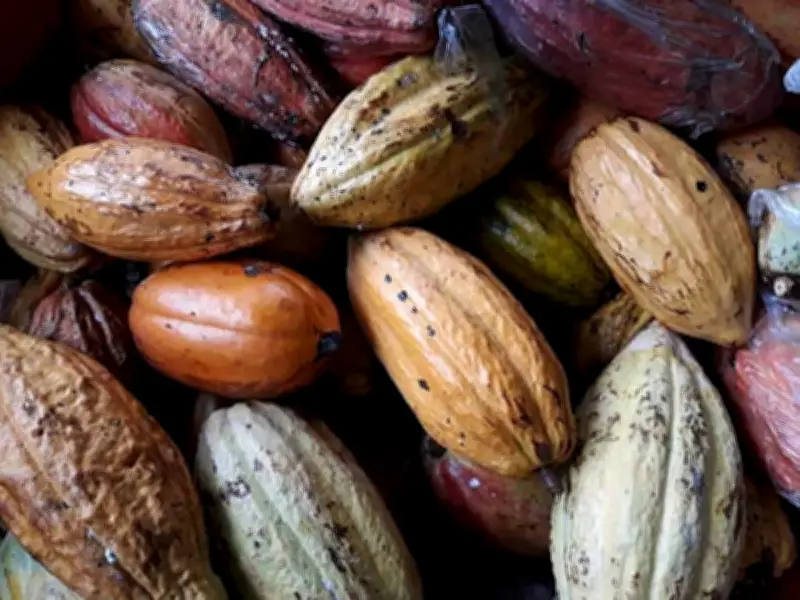
Aside from livelihood support, the program will position former rebels as cacao farmers and entrepreneurs in one of the region’s key agricultural industries.
The Davao Region remains the country’s top cacao producer. Department of Agriculture data showed the region produced 7,807 metric tons of cacao in 2024, accounting for about 72% of national output.
The Forest Protection Program will also provide income opportunities by engaging beneficiaries in forest conservation and protection activities, allowing them to earn while helping safeguard natural resources.
Sarmiento said the initiative reflects the government’s continuing reintegration efforts to support former combatants in achieving economic stability and rebuilding their lives.
“Through this program, the national government, under the administration of President Ferdinand R. Marcos Jr., is determined to help our FRs recover and build a better life for themselves and their families,” he said.